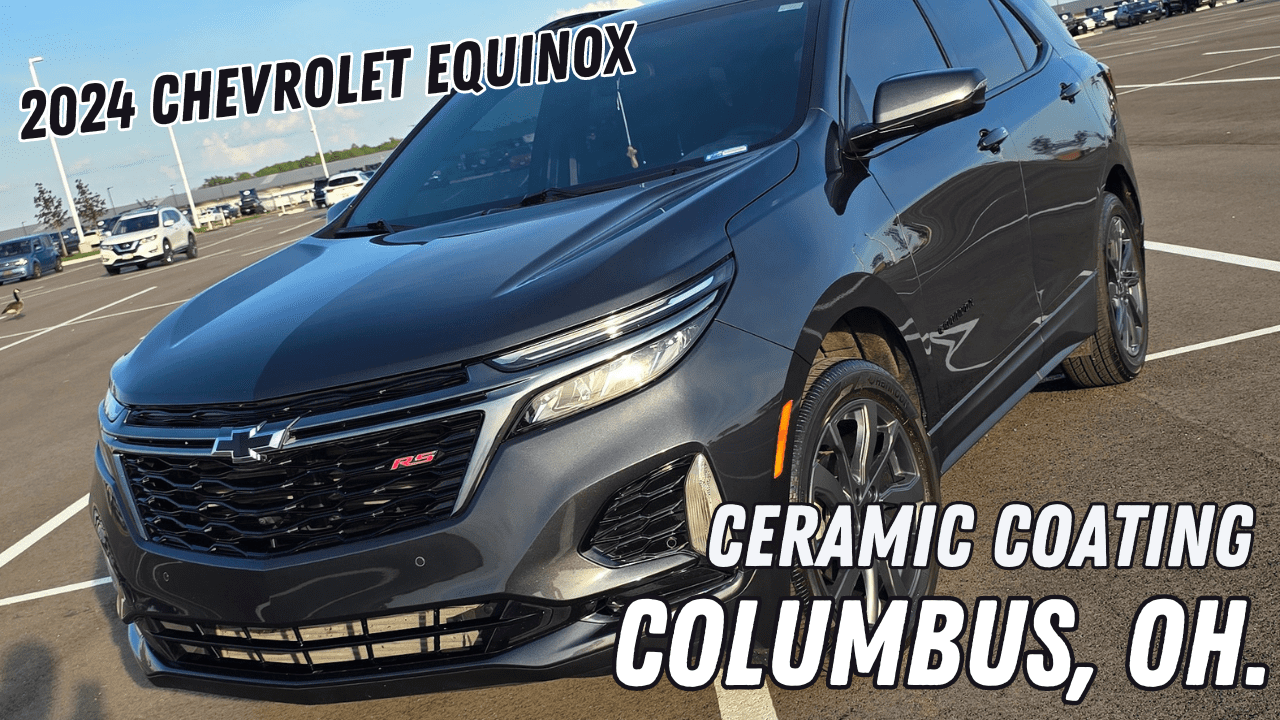
Paint protection film cost usually starts around $600 to $1,500 for partial front coverage, runs about $1,500 to $3,500 for full-front packages, and reaches $5,000 to $8,000+ for full-body wraps. The reason the bill climbs so fast is simple, professional labor can make up 60% to 75% of the total service value.
A lot of first-time buyers walk into PPF research expecting one clean number, then get quotes that look like they came from different industries. That confusion is normal, because the final price is tied to coverage, film grade, vehicle shape, and how much skilled handwork the job needs.
Table of Contents
- Why Paint Protection Film Prices Vary So Much
- Common PPF Coverage Packages and What They Include
- Where Your Money Actually Goes During Installation
- How Vehicle Type and Body Shape Change the Final Quote
- PPF Versus Ceramic Coating and DIY Film Kits
- Getting an Accurate PPF Quote in the Columbus Area
- Protecting Your Investment with the Right Coverage Choice
Why Paint Protection Film Prices Vary So Much
A new car owner usually starts with the same search. They type paint protection film cost, see one shop quoting a few hundred dollars, another quoting several thousand, and a third talking about a full wrap that sounds closer to a paint job than a detail. That spread is not random. It comes from what the shop has to cover, how hard the vehicle is to fit, and how much labor the install takes.
PPF is priced by coverage tier, not as one flat service. Independent pricing guides place partial front coverage around $600 to $1,500, full-front packages around $1,500 to $3,500, and full-body work around $5,000 to $8,000+ for premium vehicles, with a broader market range near $900 to $10,000+ depending on the job and vehicle Aaron's Automotive Detailing. Family Handyman and Titan Coatings show the same basic pattern. The material matters, but it is only one part of the bill. Shop time, prep, pattern work, and the amount of hand trimming often decide where the final quote lands.
The three things that move the number
The first driver is coverage area. Protecting the hood, bumper, mirrors, and fenders costs far less than wrapping every painted panel, and that matches how most owners use the film. A driver who only wants the high-impact front end protected has a very different scope than someone asking for full-body coverage, and this full-front PPF overview shows how quickly the scope expands once the front end is fully wrapped.
The second driver is vehicle complexity. A straight-edged sedan is quicker to cover than a car with deep curves, sharp creases, and tight front-end geometry. That is where labor starts to climb. Two cars can look similar from ten feet away and still require very different amounts of stretch, alignment, relief cuts, and edge finishing once the film is on the paint.
The third driver is film grade, since premium self-healing or ceramic-infused film costs more than basic urethane. Better film can be easier to work with and hold up better over time, but it does not erase install time. A difficult bumper on a luxury model can still take more shop hours than an easier panel on a less expensive car, even if the film itself is the same brand.
Practical rule: when two quotes look close on paper, compare what panels are covered, what prep is included, and whether the shop is quoting a simple partial front or a true full-front package.
That is why shoppers in Hilliard and Columbus need to compare line items, not just package names. A quote for Columbus PPF only makes sense when you know whether it includes edge wrapping, headlights, mirrors, or just broad flat panels. The hidden labor premium shows up in those details, and that is where two nearly identical-looking packages can end up thousands apart.
Common PPF Coverage Packages and What They Include
Most reputable shops still quote PPF in three clear tiers. That setup gives buyers a way to match coverage to how they use the car, since a daily commuter does not need the same protection as a weekend toy or a new lease.
Partial front protection
Partial front packages usually cover the highest-hit area on the nose of the vehicle, often the bumper, part of the hood, and sometimes the mirrors or a small section of the fenders. That tier is common for drivers who want to cut down on rock chips without paying for full-front coverage. It is usually the first place shoppers start when they are trying to keep the bill controlled while still protecting the panels that get blasted the hardest.
Full front protection
Full-front coverage goes farther across the nose and usually includes the hood, fenders, bumper, mirrors, and often headlights. For drivers who want a closer look at how those full-front packages are laid out, this full-front PPF overview breaks down the coverage in more detail. A full-front setup is often the better fit for highway miles, new-car owners, and anyone who wants protection where road debris lands.
That extra coverage is where the hidden labor premium starts to show up. A clean-looking front clip can still take a long time to fit properly once the film has to wrap edges, clear sensors, and stay invisible around tight body lines.
Full vehicle wraps
Full-body wraps protect every painted panel and are the most complete option. They are also the most labor-heavy, because every door, quarter panel, and transition has to be fitted cleanly. Shops usually reserve that level of work for owners who want maximum coverage on a vehicle they plan to keep for the long haul, or for cars where preserving the finish is a priority from day one.
| Coverage Tier | Panels Included | Typical Price Range | Best For |
|---|---|---|---|
| Partial Front | Bumper, partial hood, sometimes mirrors and small fender areas | $600 to $1,500 | Daily drivers, lease vehicles, budget-conscious owners |
| Full Front | Hood, fenders, bumper, mirrors, often headlights | $1,500 to $3,500 | Highway commuters, new-car buyers, long-term keepers |
| Full Vehicle | Every painted panel | $5,000 to $8,500+ | Exotic cars, luxury vehicles, maximum protection goals |
If you are comparing Hilliard paint protection film options, this table is the cleanest way to sort the quotes before you ask for the final number. A commuter sedan and a weekend sports car may both need PPF, but they do not always need the same coverage level, and they rarely take the same amount of labor to install well.
Where Your Money Actually Goes During Installation

A customer sees a film roll and a finished vehicle. The invoice covers a lot more than that. In a professional bay, PPF pricing is built around prep, fitment, and the labor it takes to make the film disappear on the car.
The prep work is where quality starts
Before film ever touches paint, the vehicle has to be cleaned and checked the right way. That usually means a decontamination wash, clay work, and paint correction if the finish has swirls, haze, or embedded grime. If the surface is not ready, the film can lock in defects instead of hiding them.
That prep time is a big part of why professional labor can represent 60% to 75% of total PPF service value Titan Coatings. Material matters, but the install is what separates a sharp result from one that looks rushed.
The install itself is skilled work
A cheaper DIY kit can cost only $100 to $300 for partial front material, while a professional install for similar coverage commonly starts around $500 to $900 GPMobileCarWash. That gap is not just markup. It pays for experience, pattern selection, edge work, and the time needed to work around sensors, seams, and body lines.
If the installer has to fight the film on every bumper corner, the price will reflect that labor whether the customer sees it or not.
The other piece is curing and inspection. The film needs time to settle, and a good shop checks edges, moisture, and alignment before delivery. That is one reason a professional Hilliard auto detailing shop can charge more than a cheap kit online, because the finished car leaves with cleaner edges and fewer compromises.
Labor & Expertise Typically Represent 40-60% of the Total Invoice
The hidden premium shows up fastest on complex vehicles, where tight curves, deep recesses, and awkward trim lines slow the install down. A technician with solid film training can work faster and waste less material, which is why Lionheart's PPF training page is relevant to understanding how shops build skill before they ever quote a customer. Two packages can look identical on paper and still land in very different price brackets once the car is on the lift and the installer starts trimming, tucking, and checking fit.
How Vehicle Type and Body Shape Change the Final Quote
Two cars can sit side by side in a lot and still produce very different quotes. The sticker difference usually comes from the work hidden behind the shape of the vehicle, not just the badge on the hood.
Simple body lines cost less time
A compact sedan with flatter panels and cleaner bumper geometry usually moves through the shop faster. A recent pricing guide places compact sedan packages at $3,500 to $6,000 Cartips Daily. That kind of pricing makes sense when the film lays down on broad panels without much hand fitting or edge correction.
Complex bodies demand more labor
Sports coupes, exotics, and luxury cars usually take longer because the installer has to work around sharp edges, aggressive bumpers, intricate mirrors, sensor cutouts, and panel shapes that resist quick trimming. The same guide places sports and luxury coupes around $7,295 to $9,995, and exotic supercars can exceed $15,000. That spread is not a guess, it reflects the extra hours, the wasted material from test fits, and the slower pace required when every corner has to be finished by hand.
A shop owner sees that labor premium immediately.
The shell may look clean from ten feet away, but the install can be a different story once the car is on the lift. Deep recesses, tight return edges, and awkward trim lines force more careful cuts and more time checking alignment. A vehicle with those details can look similar to a simpler model and still cost far more to protect well.
Bigger vehicles still change the math
SUVs and trucks can also push the final number higher because there is more surface area to cover and more handling time per panel. Even when the styling is straightforward, the extra length and height add labor, especially on front-end protection and full-body wraps. More square footage means more film, more seam management, and more time moving around the vehicle to keep the install clean.

Shop-floor reality: one sedan can fit a clean pattern with minimal trimming, while another needs careful hand work around sensors, bumper vents, and complex body lines.
That is why no serious installer wants to quote off the model name alone. A quote for Columbus PPF on a standard commuter and a quote for the same package on a performance coupe can both be fair, even when the numbers are far apart. If you are comparing protection options, this comparison of PPF and ceramic coating helps show why body shape and coverage choice change the final bill so much.
PPF Versus Ceramic Coating and DIY Film Kits
People shopping for protection usually cross-shop three things at once. They compare PPF, ceramic coating, and DIY film kits, then try to decide which one best solves their problem.
Physical protection versus chemical protection
PPF is built for physical impact resistance. Standard film is typically a 6 to 8 mil urethane layer that absorbs rock hits and abrasion before they reach the clearcoat eCostify. Ceramic coating is different. It helps with chemical resistance, hydrophobic behavior, and UV protection, but it doesn't stop a rock chip.
That distinction matters for drivers asking whether they need ceramic coating near me or PPF first. If your concern is bug residue, washability, and easier maintenance, ceramic coating makes sense. If your concern is chips on the front end, PPF is the right tool.
DIY kits are cheaper, but not comparable
DIY film kits appeal to buyers who want to save money upfront. They can work on simple panels, but the risk of bubbles, alignment problems, and exposed edges is real. Professional installs include fitting, trimming, and experience that a first-time buyer usually doesn't have.
For customers comparing Hilliard ceramic coating and PPF, the better question isn't which one is “better.” It's what damage you're trying to prevent. Ceramic coating helps preserve appearance, PPF helps absorb impact, and the two can work together on a new vehicle.
Here's the simple trade-off:
- PPF: Best for chips, road rash, and high-impact front areas.
- Ceramic Coating: Best for easier washing, gloss retention, and chemical resistance.
- DIY Film Kit: Best for budget experiments, not for premium finish expectations.
For a deeper side-by-side comparison, PPF versus ceramic coating details give a useful framework for buyers who are deciding between appearance protection and impact protection.
Getting an Accurate PPF Quote in the Columbus Area
A quote that looks simple at first can hide a lot of labor. If a shop gives you one number without asking about coverage, vehicle type, paint condition, or whether the edges will be wrapped or left exposed, you are probably looking at a rough estimate, not the final bill.
Ask these questions before you book
- What coverage is included? Get the panel list in writing, and confirm whether the quote covers partial front, full front, or full-body work.
- Which film are you using? Film grade changes the price because premium self-healing material costs more than basic urethane.
- Is prep included? Decon wash, clay work, and paint correction can change the final bill if the car needs more than a quick wipe-down.
- How do you handle edge work? Pre-cut and hand-cut installs are not priced the same, and the labor difference shows up fast on complex panels.
- What warranty comes with the film and labor? The answer should be specific, with no guesswork about what the coverage includes.
Local driving conditions matter too
Columbus drivers deal with highway miles, seasonal grime, and road debris that make front-end protection a practical buy. That matters for commuters who split time between Hilliard, Dublin, Westerville, and the rest of the metro. If a car spends time on fast roads, the bumper, hood, and mirror caps usually take the first hits.
A shop that can work mobile or in-house gives you more flexibility, but the install setting still has to match the job. Lionheart Detailing operates in the Columbus area with both mobile service and a Hilliard shop at 4402 Weaver Court North, Suite 204, which helps owners choose the setup that fits the vehicle and the level of precision needed.

If you are comparing Columbus ceramic coating and PPF quotes, ask for both options in writing. That makes the trade-off easier to see. Ceramic coating helps with washability and surface care, while PPF is the answer for impact protection on the panels that get hit first.
Protecting Your Investment with the Right Coverage Choice
The right PPF decision usually isn't the cheapest one. It's the one that matches your driving habits, your vehicle shape, and how long you plan to keep the car.
Paint protection film cost reflects more than square footage. It reflects coverage level, vehicle complexity, film quality, and installer skill, which is why two jobs that look similar from a distance can land thousands of dollars apart. The safest way to compare quotes is to ask what's included, what prep is being done, and how much of the final price is labor.
For a lot of Columbus drivers, a partial front or full-front package is the right balance. It protects the areas that get hit first while keeping the budget more manageable than a full-body wrap. If you're trying to choose between Hilliard paint protection film, Columbus PPF, or a ceramic coating package, a real inspection is the fastest way to narrow it down.
If you're in Hilliard, Dublin, Westerville, or anywhere across the greater Columbus area, reach out for a quote that's built around your actual vehicle instead of a generic package name.
A CTA for Lionheart Detailing.