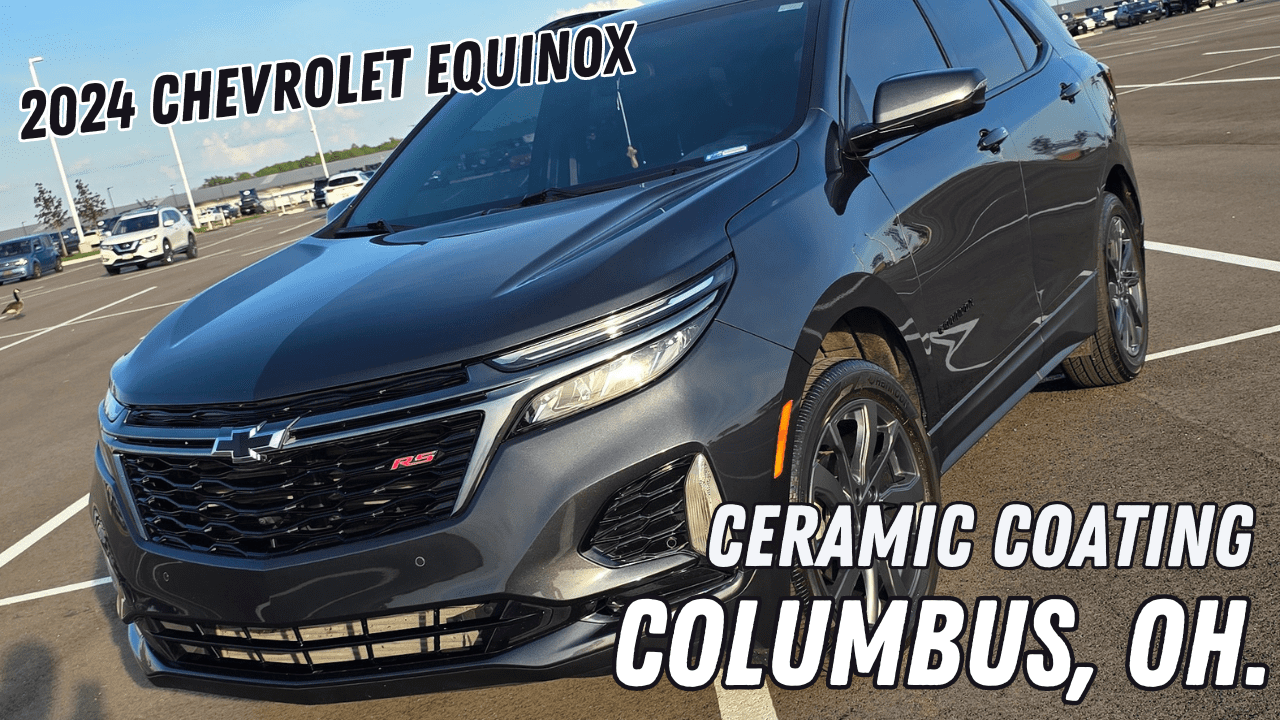
A single-stage enhancement on a midsize sedan usually takes 4 to 6 hours of hands-on polishing, a two-stage correction 8 to 12 hours, and heavy multi-stage work one to two working days, with the total booking window longer than the polishing time.
You've washed the car, stepped back, and noticed that the sunlight still shows spiderweb marks across the hood. Now you're comparing detailing appointments and wondering whether you need to arrange a ride home or just wait nearby.
The important distinction is polishing time versus the time your vehicle stays with the detailer. Preparation, inspection, protection, and any coating cure requirements affect pickup, and spending longer on a deep scratch isn't always the safest way to improve it.
Table of Contents
- Typical Paint Correction Times at a Glance
- What Correction Removes and When Polishing Stops Being Safe
- How a Correction Day Unfolds, Step by Step
- Factors That Stretch the Appointment Longer
- Mobile Paint Correction Versus Hilliard Shop Appointments
- What Paint Correction Costs and What Results to Expect
- Choose Your Correction Level and Book the Slot
Typical Paint Correction Times at a Glance
Three things set the clock on a correction job: the level of defect removal you are after, the number of polishing stages that requires, and the panel area the vehicle carries. The ranges below count hands-on polishing time only.
Paint correction hours by correction level and vehicle size
| Correction level | Compact car | Midsize sedan | Large SUV or truck |
|---|---|---|---|
| Light enhancement, single-stage, for light swirls and haze | 3–4 hours | 4–6 hours | 6–8 hours |
| Moderate, two-stage cut then refine, for visible swirls and light scratches | 5–8 hours | 8–12 hours | 10–16 hours |
| Heavy, three-stage, for oxidation, deep marks, and etching | 10–15 hours | 12–20 hours | 1–2 working days |
Treat this grid as a booking conversation guide, not a guaranteed schedule. Each band is a planning allowance, and a longer allowance is not a promise that every listed defect will come out. Extra hours only buy improvement while the paint can still be polished safely.
Published estimates land in the same territory. Chemical Guys' paint correction cost guide puts single-stage work on a compact at roughly 3–4 hours and truck work at 6 or more hours, while the Sensible Digs paint correction cost breakdown gives 4–6 hours for a sedan's single-stage polish and 8–12 hours for two-stage correction on a midsize sedan.
How to read your likely correction level
Take the moderate row for a midsize sedan. It means the technician plans a cutting pass to level visible swirls and light scratches, then a refining pass to restore gloss. It does not mean every panel gets identical treatment: a door in good shape may only need the refining step, while a hood covered in swirls takes the full cut.
Package names make comparison shopping tricky. Shamrock Detail estimates Stage 1 at 2–4 hours, Stage 2 at 6–10 hours, and Stage 3 at 10–20 hours, so one shop's Stage 2 can overlap another shop's Stage 3. I would ask any shop how many stages its quote assumes before comparing prices.
Check a clean panel in shade and then in direct sun:
- Fine marks visible mainly in harsh sunlight: a light enhancement may be enough.
- Obvious swirls under ordinary inspection lighting: cutting followed by refinement may be appropriate.
- A pronounced scratch or visible ridge: ask for a safety assessment rather than automatically booking the strongest package.
The practical differences between levels are covered in our guide to one-step versus two-step paint correction. Whatever the label, a detailer should confirm the level after a test spot, because that result decides what the appointment can realistically achieve.
What Correction Removes and When Polishing Stops Being Safe

Sanding a wooden table works in stages: a coarse abrasive levels the roughness, then a finer abrasive smooths the marks the first one left behind. Paint correction follows the same principle, but the material being worked is the clear coat, the transparent protective layer over the color.
The pad and abrasive level the surface around a defect rather than filling it. New Again's explanation of clear-coat removal reports factory clear coat commonly around 30–50 microns, within approximately 100–180 microns of total paint build, and describes careful machine polishing removing about 2–5 microns.
That removal is permanent. A shiny panel isn't a good result if achieving it used up more protective material than the finish could safely spare. This is also why a longer appointment doesn't guarantee a better finish: hours spent chasing a defect that sits too deep only consume clear coat without removing the mark.
Practical rule: The right stopping point is the best safe improvement, not the disappearance of every mark.
A paint gauge doesn't tell the whole story
A conventional paint-thickness gauge usually measures the combined coating build over a suitable metal panel. It doesn't automatically isolate the remaining clear coat, and ordinary gauges may not read plastic bumpers.
The technician must combine readings with repair history, panel condition, edges, and the test spot. BASF's refinishing guidance identifies approximately 2 mils, about 50 microns, as a minimum clear-coat thickness to maintain when sanding or polishing refinished surfaces. That's refinish guidance, not a universal permission to remove material from factory paint.
A gentle fingernail check can flag a deeper scratch, but it can't measure safe correction depth. Don't repeatedly drag a nail across the paint or assume that a scratch that doesn't catch must be removable.
Defects that need a different answer
A responsible assessment should separate correctable surface damage from defects that need preservation or repair:
- Deep scratches: Reducing their visibility may be safer than leveling the surrounding finish.
- Severe etching: Chemical damage may extend beyond a safe polishing allowance.
- Craters and pores: Some require repainting rather than stronger compounding.
- Clear-coat failure: Peeling, cracking, or missing clear coat can't be polished back into place.
CoatingsTech's discussion of coating defects explains why some water-spot damage resists polishing and why deeper defects can require repainting.
The honest recommendation may be partial correction, leaving an isolated mark alone, or bodywork. Before booking, ask the shop which defects on your car fall into that second category. A good answer names specific panels and explains the trade-off, instead of promising that every mark will vanish. Film can help protect suitable, sound paint afterward, but neither film nor a coating restores clear coat that's already gone.
How a Correction Day Unfolds, Step by Step
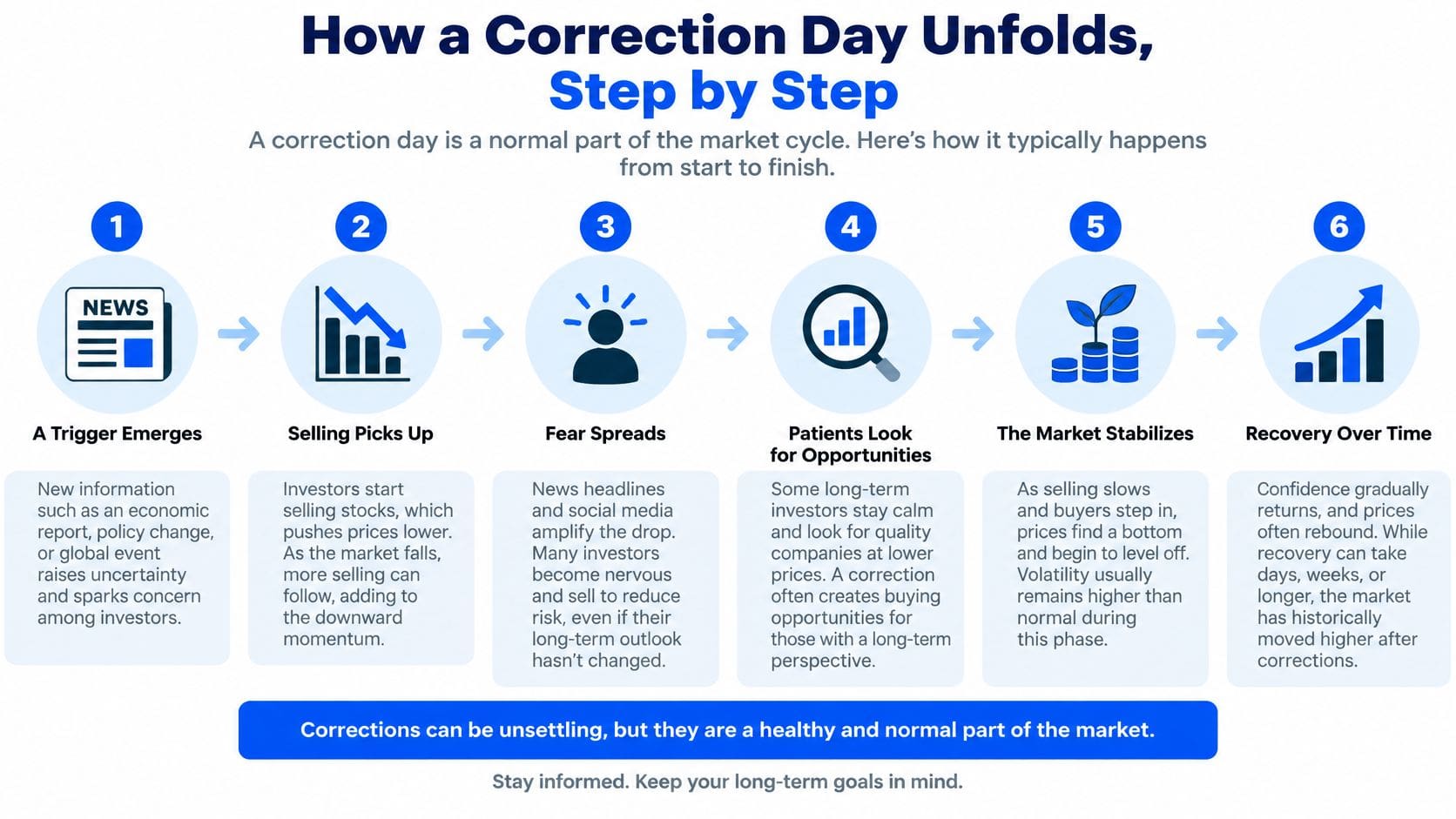
The machine work is only part of what a correction appointment covers. Washing, decontamination, masking, test passes, and protection all sit inside the same booking window, which is why a correction quoted in polishing hours can still mean the car stays at the shop overnight or longer.
Prep time also varies with the vehicle. A contaminated truck needs more wash and clay work than a well-maintained sedan, so a good shop allocates those hours after inspection rather than quoting a fixed minute count for every step.
The workflow you should expect
Walk-around and inspection. The technician checks the finish under strong lighting, records problem areas, and takes suitable paint-thickness readings. You should hear which defects are realistic targets and which will remain.
Wash and decontamination. A thorough wash removes loose dirt. Iron remover, tar treatment where needed, and carefully lubricated clay remove bonded contamination so the polishing pad doesn't drag grit across the panel.
Masking. Tape protects textured trim, sensitive edges, and vulnerable areas. This prevents staining and reduces accidental contact where aggressive polishing would be risky.
Test spot. A small section establishes the least aggressive pad-and-product combination that achieves the agreed result. For example, the technician may compare a foam polishing pad and finishing polish against a cutting combination before committing to the vehicle. This is also where the shop learns whether the agreed result is even achievable on your paint. If a deep mark only softens instead of disappearing, that answer surfaces here, before the whole car is committed.
Cutting or polishing. The operator works panel by panel with controlled, overlapping passes. The machine-polishing timing guidance puts pad movement at roughly 2–3 centimeters per second, with lighter enhancement taking a few hours and heavy multi-stage work taking one to two working days on larger vehicles, as the correction-hours table shows.
Refinement where needed. A finer pad and polish clear the haze left by stronger cutting. This step is what gives a black hood clear reflections rather than just a surface that looks free of the original scratches.
Panel wipe and inspection. A paint-compatible panel preparation product removes polishing oils. The technician checks direct and angled lighting so residue doesn't disguise unfinished work.
Protection and handover. Sealant or the selected coating follows the correction. Application, indoor dwell requirements, and curing instructions belong in the booking window, not inside an estimate labeled polishing only, which is part of why pickup comes later than the last polishing pass.
What to ask at handover
Ask the detailer to show you the corrected panels and any preserved defects before you leave. If a mark was left alone, ask why. The honest answer is usually that removing more clear coat wasn't safe, not that extra hours would have fixed it. Get washing and weather-exposure instructions for the protection that was applied, rather than assuming every sealant and ceramic coating follows the same schedule.
Factors That Stretch the Appointment Longer
Oxidation is an easy condition to underestimate. Chalky or faded paint can need substantial cutting before refinement makes sense, but a dull appearance can also indicate failing clear coat. The technician must identify which problem is present before selling more polishing.
The remaining time-stretchers aren't all about damage severity. Access, color, repair history, and working conditions change how efficiently a technician can produce an even finish.
Conditions that add time to a correction
| Condition | How it changes the work | Typical effect on time |
|---|---|---|
| Oxidation or chalky, faded paint | Additional cutting and repeated wipe-downs before refinement | May add a correction stage if the finish is sound |
| Acid rain etching or water spotting | Requires closer depth assessment and selective removal | Additional testing, with a possible partial result |
| Dark paint, including black, dark blue, and dark gray | Residual haze and swirls are easier to see | More refinement and inspection |
| Previous poor machine polishing | Holograms and uneven correction need assessment | Extra test passes and potentially another stage |
| Repainted or thin-clear panels | Different paint response and limited safe removal | Slower, selective work or preserved defects |
| Heat, direct sun, or high humidity | Changes product behavior and working conditions | Smaller sections or a change of workspace |
| Full-size vehicle or high panel count | More area and edges to prepare and polish | More hands-on work throughout the appointment |
Size matters, but the badge isn't the estimate
HowLongFor's exterior-detailing guide estimates that a compact can take 30–40% less time than a full-size vehicle and notes that dark finishes and environmental conditions affect the process. That's a time comparison, not a measured difference in surface area.
A Tesla's broad panels, a BMW's sculpted bumpers, and a truck's tall bedsides create different access challenges. None of those badges, by itself, tells a detailer how hard the paint is or how much clear coat remains.
If you're unsure whether the pattern is washing damage or previous machine marks, the guide to car paint swirls can help you describe what you're seeing.
Tell the shop about previous repairs, repaints, and machine polishing before it quotes the work. That history can change the plan more than the model name.
Mobile Paint Correction Versus Hilliard Shop Appointments
Hands-on polishing hours aren't the same as the time you must set aside. A mobile appointment includes setup at your property, while a shop appointment requires a workable drop-off and collection arrangement.
The Alibaba product-insights breakdown of buffing time separates preparation and finishing tasks, describing roughly 3–4.25 hours for moderate conditions and 7.75–10.75 hours for severe full-size vehicles before additional cleanup or excluded services. Those figures aren't universal door-to-door appointment promises.
Mobile visit versus Hilliard shop appointment for paint correction
| Factor | Mobile at your location | In-shop in Hilliard |
|---|---|---|
| Power and water | On-board water and electricity in the mobile unit | Shop power and water supply |
| Weather exposure | Sun, wind, humidity, and temperature affect working conditions | Controlled, sheltered workspace |
| Lighting for inspection | Portable lighting; usable space affects positioning | Controlled lighting for checking defects |
| Total booking window | Hands-on time plus setup, preparation, and finishing | Hands-on time plus preparation, finishing, and pickup arrangements |
| Rescheduling risk | Rain or extreme heat can move the visit | Lower exposure to weather interruptions |
| Best fit | Owners who can't leave the car, suitable workplace visits, boats, and RVs | Extensive correction and correction paired with coating |
Choose the workspace around the job
Our mobile unit carries water and electricity, but it still needs safe access, adequate working room, and suitable conditions. A driveway visit isn't a shortcut around careful inspection or preparation.
The Hilliard shop at 4402 Weaver Court North, Suite 204 provides consistent lighting, shade, and power. For substantial correction, an early drop-off and flexible collection plan are usually more useful than trying to wait while the work happens.
Check the forecast for the appointment and the following days, especially if protection is included. Ask whether overnight storage or a later pickup may be necessary before arranging transportation.
For Hilliard auto detailing or Columbus-area mobile service, the right choice depends on the car, the requested finish, and whether you can leave it with the shop.
What Paint Correction Costs and What Results to Expect
The next question is usually price. TheHowMuch's 2026 estimate places professional full-vehicle paint correction at approximately $300–$800 and 4–8 hours, but that's a published general estimate, not a Lionheart quote or a ceiling for extensive restoration.
Price follows labor, preparation, vehicle access, and the agreed endpoint. A lightly marked compact and a heavily weathered truck shouldn't receive the same estimate just because both packages say paint correction.
What a useful quote includes
- Separate time estimates: Hands-on correction and the total booking window.
- Defined preparation: Washing, decontamination, masking, panel wiping, and inspection.
- A clear endpoint: The defects being targeted and the ones likely to remain.
- Extra-work approval: Whether spot sanding or unexpected panel rework requires authorization.
- Protection pricing: The selected sealant, ceramic coating, or film work, plus any separate curing requirements.
Enhancement should improve gloss and lighter wash marks. More involved correction should deliver clearer reflections and stronger reduction of suitable defects, not an unconditional promise of perfect paint.
A useful way to decide whether paint correction is worth it is to ask which visible improvements matter to you. For a daily driver, consistent gloss and fewer distracting swirls may be more valuable than chasing an isolated scratch.
Buyer's check: Compare the inspection process and promised outcome before comparing the price.
If you're researching Columbus ceramic coating, confirm that correction is itemized rather than assumed. A coating doesn't replace abrasive defect removal, and a low quote that skips testing can cost more later in unnecessary clear-coat loss.
Choose Your Correction Level and Book the Slot
The useful answer to "How long does paint correction take?" is a schedule tied to your paint, your expectations, and your protection plan. Don't book the longest appointment just because it sounds more thorough. Extra hours spent chasing a defect too deep to polish out safely add cost rather than clarity, so the right slot is the one matched to what your paint can actually give back.
Prepare for an accurate assessment
Photograph the finish. Take clean-panel photos in shade, in direct sunlight, and with a flashlight aimed across the paint. Include wide views and close-ups of the worst areas so the shop can flag problem panels before you arrive.
Write down the history. Mention collision repairs, repainted panels, prior polishing, and any existing coating. Unknown history is still useful information, so say so plainly rather than guessing.
Ask for a test spot. Agree on what improvement looks like before authorizing full-vehicle work, and request approval before sanding or aggressive local correction. A short test answers the question faster than any estimate given over the phone.
Separate the clocks. Get the active polishing hours and the vehicle's total stay as two different numbers. Confirm pickup arrangements and what happens if the test reveals extra work.
Choose a workable date. Leave room for weather changes on mobile visits, and arrange alternative transportation if the vehicle will sit at the shop for more than a day.
Plan suitable protection. Ceramic coating supports easier maintenance, while PPF provides a physical barrier against impacts and abrasion. Neither makes careless washing harmless.
For a daily driver, I'd prioritize sound paint, an even finish, and a maintenance plan over removing every last mark. That approach leaves more room for future care and gives you a result you can realistically maintain.
Call +1 614-620-6039, Monday to Friday, 9:00 AM to 5:00 PM, to discuss a mobile visit in Dublin, Powell, Upper Arlington, or the greater Columbus metro, or an appointment at the shop.
Lionheart Detailing, 4402 Weaver Court North, Suite 204, Hilliard, OH. Find the location through the Google Business Profile.
Lionheart Detailing offers paint correction, full detailing, ceramic coating, and paint protection film, with mobile and Hilliard shop options suited to the work. Visit Lionheart Detailing to discuss your vehicle's condition, a realistic booking window, and the level of improvement that makes sense for your paint.