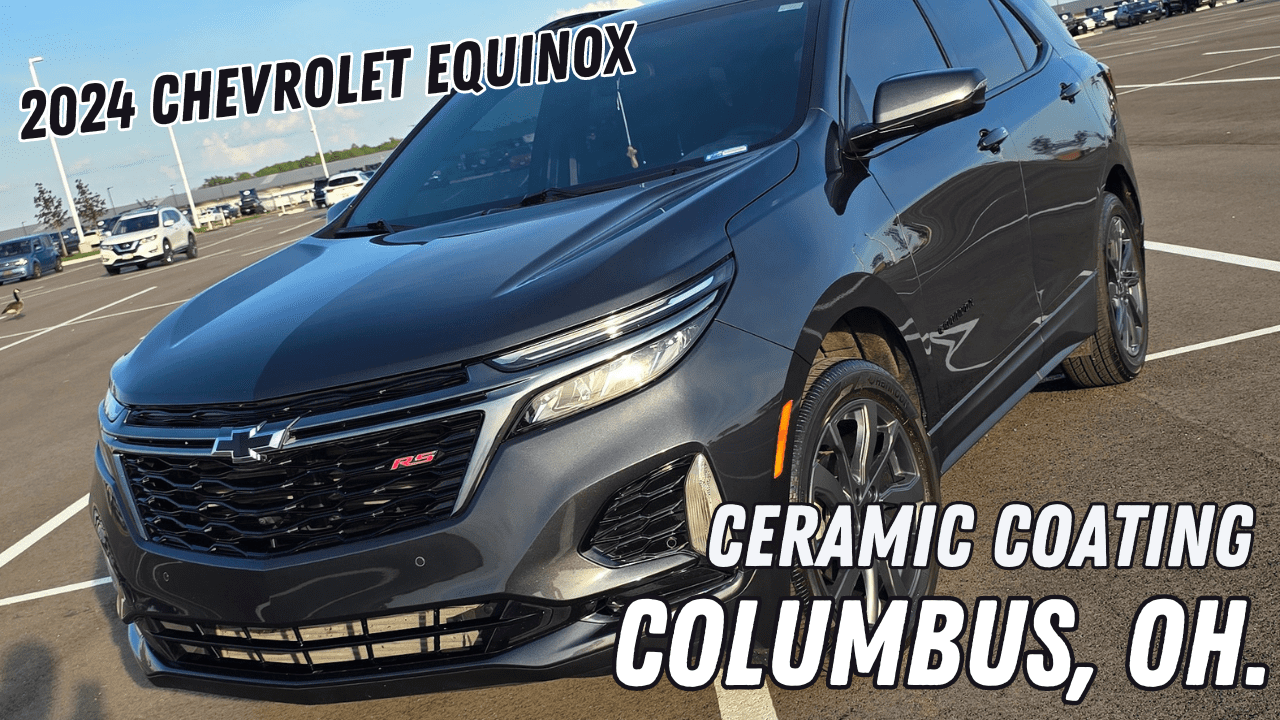
You can spot the difference on a cold Columbus morning. A customer pulls into the Hilliard shop with a two-year-old daily driver, and the hood looks tired, the finish has lost some bite, and the lower doors carry that gray winter film that never seems to come off clean. In Central Ohio, that is rarely just dirt. It's the weather doing what it does here, season after season, and it's exactly why Hilliard ceramic coating and Columbus ceramic coating conversations start with paint preservation, not just shine.
How Columbus Ohio Weather Affects Your Car Paint and How Ceramic Coatings Helps is a practical question every local owner should ask before the finish starts looking flat. Columbus has enough seasonal swing that the same car can face humidity, salt, UV, pollen, and debris within a few months, and each one leaves a different kind of mark on the clear coat. A coating won't make the car weatherproof, but it does change how the surface handles contamination, washing, and daily abuse.
Table of Contents
- Why Columbus Weather Is Hard on Car Paint
- The Four Seasonal Threats to Your Finish
- How the Columbus Freeze-Thaw Cycle Damages Clear Coat
- What Ceramic Coating Actually Does to Your Paint
- Does Ceramic Coating Replace Winter Washing
- A Realistic Seasonal Care Routine for Coated Cars in Columbus
- When to Add PPF and When to Call a Professional
Why Columbus Weather Is Hard on Car Paint
A lot of paint damage in Columbus starts as a simple question at the sink in the shop. “Why does this hood look dull already?” The answer is usually not one thing, it's the climate stacking up small problems that never really get a break. Exterior coatings perform best when daytime temperatures stay between 50°F and 85°F and relative humidity stays under about 70%, with late spring through early fall being the most reliable application window, which tells you how much the local weather swings outside the comfort zone for protection work itself. That same weather range also affects the car's finish, because heat, moisture, rain, and dew all change how contaminants sit on the surface and how long they stay there (Columbus weather and exterior coating timing).
For Columbus drivers, the problem is that each season attacks the clear coat differently. Summer brings heat, humidity, and strong UV exposure. Winter brings salt, slush, and freeze-thaw cycles. Spring adds pollen and wet contamination. Fall leaves behind organic debris and construction dust that can sit on panels longer than owners realize. Those are not cosmetic nuisances, they are the conditions that slowly chip away at gloss, clarity, and eventually resale value.

Why this climate feels tougher than a milder one
A milder region gives paint longer stretches where the surface stays dry and clean. Columbus doesn't. The same temperature and moisture swings that affect house paint also affect automotive clear coats, and in a Midwestern climate that means more frequent washing after storms and more careful timing for any protective treatment. In practice, a car here is rarely “done” after one detail. It needs a routine.
The biggest misunderstanding I hear is that weather damage only matters if the paint already looks bad. That's backward. A finish can still look acceptable while contaminants are working into the surface, especially after winter and spring. If you wait until the gloss is gone, you're no longer preserving finish. You're trying to recover it.
Core takeaway: In Columbus, protection isn't optional luxury work, it's part of owning the car.
The Four Seasonal Threats to Your Finish
Each season brings its own kind of abuse, and the damage looks different depending on what's landing on the paint. That's why ceramic coating near me means more than finding a shiny finish. It means matching the protection to what the car faces in this market.

Winter road salt and brine
Winter is the hardest season for most daily drivers because road salt doesn't just sit on the surface. It gets pushed into wheel wells, rocker panels, and seams where grime collects and moisture lingers. A car that comes back from a snowy commute with white crust along the lower body is showing the early stage of a problem that can become corrosion if it's left alone. A coated car still needs cleaning, but it's easier to rinse the film off before it bonds as aggressively.
Spring pollen, sap, and wet contamination
Spring in Columbus is messy. Pollen coats horizontal surfaces fast, and tree sap can land on a hood or roof and sit there long enough to stain if the car isn't washed. When the surface is still cold, dirty water dries more slowly and leaves more residue behind. The visible result is often a dull, slightly rough finish that looks worse in the sunlight than it does in the shade.
Summer UV, humidity, and sudden storms
Summer creates a different kind of stress. Strong sun works on the paint all day, humidity slows drying, and thunderstorms leave water behind on hot panels. That is how water spots and mineral marks show up so easily on dark finishes. Summer is also the season when a weak wax job starts losing its usefulness fast, which is why many owners notice their paint looking less crisp by midseason.
Fall debris and staining
Fall is the quiet offender. Leaves, organic debris, and construction dust can all settle on the car and stay there longer than they should. If moisture sits underneath that debris, the stain can imprint into the finish and create extra cleanup later. The visible result is usually not dramatic at first, which is why people miss it until they wash the car and still see the shadow of the contamination.
How the Columbus Freeze-Thaw Cycle Damages Clear Coat
Winter paint damage is mostly a cycle problem. Water, slush, and salt residue sit on a panel during the day, then freeze overnight, then thaw again, and each round pushes contaminants into smaller surface defects. That repeated wetting, freezing, and drying is what makes Columbus winter so harsh on clear coat, especially in the places that already get the most road spray.
Where the damage shows first
The high-risk zones are always the same. Lower doors, rocker panels, wheel arches, hood leading edges, and the rear bumper take the abuse first because they catch the grime and hold onto it. On many cars, that's where you see the first dull edge, the first rough patch, or the first sign that corrosion is trying to start around a chip. A customer might not notice until spring, but the winter cycle has already been working.
A practical protection workflow starts with rinsing soon after snowfall or salt exposure, then washing with a pH-neutral shampoo, then checking the high-risk areas. One neutral industry source recommends washing at least every two weeks and within 48 hours of a significant weather event, with particular attention to salt-laden underbodies, because road salt can quickly erode protective layers and expose metal to rust (cold-weather paint protection guidance). That's the kind of timing that keeps cleanup preventive instead of reactive.
Practical rule: If salt and moisture sit long enough for you to forget where the last storm ended, the car is already behind.
I've seen this play out on the same Hilliard street with two nearly identical commuter sedans. One got rinsed regularly through the winter, the other didn't. By the end of the season, the neglected car had heavier buildup around the lower body and a rougher feel during wash prep, while the other cleaned up with much less effort. The coating on the better-kept car didn't make winter disappear, it just gave the owner a better chance to stay ahead of it.
Winter polishing and ceramic coating benefits are worth looking at if you're trying to decide how much winter correction makes sense before protection goes on.
What Ceramic Coating Actually Does to Your Paint
A ceramic coating is a liquid polymer that bonds to the factory clear coat and leaves behind a hydrophobic, protective layer. Think of it as a sacrificial barrier sitting on top of the paint, not as a second miracle shell that stops everything. It helps water bead, it makes dirt release more easily, and it slows down the kind of chemical contact that makes paint look tired sooner.

What it helps with
The big day-to-day benefit is easier maintenance. Bugs, tar, road film, and winter grime don't cling as stubbornly, so the wash process is less aggressive. Coatings also help reduce moisture bonding to the surface, which is why they're so useful for Columbus drivers dealing with frequent rain, dew, and winter wetness. The factory finish still needs care, but the coating gives you a better starting point.
Ceramic protection is also helpful against UV exposure and mineral spotting. That matters in Columbus because the car doesn't live in one weather pattern for long. Summer sun, winter salt, spring moisture, and fall debris all ask different things of the finish, and a coating handles that mix better than wax does. For a deeper buyer-level explanation, this ceramic coating value guide is worth reading.
What it does not do
A coating does not stop rock chips. It does not eliminate washing. It does not hide swirls, oxidation, or bonded contamination if those defects were already there. That's why prep work matters so much. If the paint is corrected and cleaned properly before coating, the finish looks crisp and the coating bonds to a better surface. If the prep is rushed, the coating locks in what was already wrong.
Independent guidance also notes that synthetic polymer sealants generally last longer than carnauba wax, but ceramic coatings provide a more durable barrier than either, especially against moisture and road grime (weather and paint protection guidance). That's the honest distinction most first-time buyers need to hear. Coating is not magic, it's better chemistry.
Does Ceramic Coating Replace Winter Washing
No, and this is where a lot of Central Ohio drivers get tripped up. A ceramic-coated car repels water and grime more easily, but road salt is still abrasive and corrosive, and the undercarriage still collects brine no matter what's on the paint. Columbus auto detailing doesn't stop after coating, it just gets easier because the car releases contamination faster.

What a coated car still needs
For winter, I still tell owners to wash about every 1-2 weeks and again after a major storm, which lines up with industry guidance for Ohio drivers (Ohio ceramic coating maintenance guidance). The goal isn't perfection. The goal is to keep salt from sitting long enough to bond and to stop winter grime from hanging around on the lower panels and wheel areas. A coated car that gets washed on time looks better and stays easier to clean.
That's also why winter underbody attention matters. Road salt doesn't care that the top surface is coated. It still works on suspension parts, seams, and hidden areas where rinse water and salt residue collect. A coating helps on the visible paint, but it doesn't replace the rest of the winter maintenance routine.
What a decon wash pulls off
A deep decontamination wash in spring is where many owners finally see what the coating was holding back. I've had customers bring in a car they'd basically ignored for a month, and the decon wash pulled off the winter film, bonded grime, and leftover salt residue that a normal rinse would've missed. The finish usually looks dramatically cleaner afterward, but the bigger lesson is simpler, regular maintenance would have kept the buildup from getting that stubborn in the first place.
Coating maintenance tips for Columbus drivers are a good fit if you're trying to build a realistic wash habit without overthinking it.
A coating reduces effort. It doesn't erase the job.
A Realistic Seasonal Care Routine for Coated Cars in Columbus
The easiest way to keep a coated car looking good in Columbus is to stop thinking in terms of one big detail and start thinking in seasons. The routine changes with the weather, because the threats change with the weather. A shop can do the heavy lifting, but the owner still needs a simple rhythm that fits real life.
| Season | Main Threats | Wash Frequency | Key Products |
|---|---|---|---|
| Late fall | Leaf debris, moisture, road film | Before the first salt application and after heavy debris buildup | pH-neutral shampoo, drying aid |
| Winter | Salt, brine, slush, freeze-thaw residue | Every 1-2 weeks, and after major storms | Salt-neutralizing shampoo, forced-air blower |
| Spring | Pollen, sap, leftover winter grime | After heavy pollen and on a regular decon schedule | pH-neutral shampoo, decontamination wash |
| Summer | UV, humidity, bugs, water spots | About every 2-4 weeks, plus after storms | Safe wash soap, blower drying |
| Fall again | Organic staining, dust, damp leaf residue | As needed, before debris sits too long | Gentle shampoo, drying towel or blower |
What to do in each phase
Late fall is the time to clean the car thoroughly before the road gets treated. Winter is when routine washing matters most, especially if the car is daily driven. Spring should include a deeper decontamination wash so the coating can go back to doing its job without a layer of old residue sitting on top of it. Summer means staying ahead of bug buildup and water spots, then fall comes back around with the same debris and staining concerns.
A pH-neutral snow foam wash and a forced-air blower are two tools I use often because they cut down on wash marring and water spotting. If the car sees a lot of road spray, a pro-level decon wash twice a year makes sense. That keeps the coating performing like a coating, not like a dirty surface pretending to be protected.
Consistency beats intensity. A decent routine done on time protects paint better than one perfect wash done too late.
When to Add PPF and When to Call a Professional
Ceramic coating handles weather, grime, and easier washing, but it doesn't solve rock chip damage. That's where Columbus PPF and Hilliard paint protection film come into the picture, especially for highway commuters, new car buyers, and owners of higher-value vehicles who want real impact resistance on the front end. Hoods, bumpers, mirrors, and fenders take the brunt of debris, and film is the better answer there.
How to choose the right protection
If the car is mostly fighting weather, a coating is usually the first move. If it's fighting weather plus road debris, film becomes important on the high-impact zones. If the paint already has swirls, oxidation, or contamination, it needs correction before either protection goes on. That's the part too many shoppers skip, and it's the reason a coating can underperform if the prep was weak.
A useful technical detail with film is that self-healing PPF works with heat. One detailing guide places its glass transition temperature around 104°F (40°C) and says healing works best at 140°F to 160°F (PPF self-healing guidance). In a Columbus summer, warm sun can help minor marks relax. In cooler weather, those same light swirls recover much more slowly unless controlled heat or warm water is used. That's another reason proper installation and realistic expectations matter.
For an in-person look at whether coating, film, or both make sense, a conversation with a local shop helps more than guessing online. Lionheart Detailing handles ceramic coating, paint correction, and PPF in the Columbus area, so the right package can be matched to how you drive.
If your car lives through Columbus winters, summer UV, spring pollen, and fall debris, it needs more than a quick wash and a good intention. Lionheart Detailing offers ceramic coating, paint protection film, and full detailing for drivers who want a finish that holds up in real Central Ohio conditions. Visit Lionheart Detailing to ask about Hilliard ceramic coating, Columbus ceramic coating, or a protection plan that fits the way you use your car.