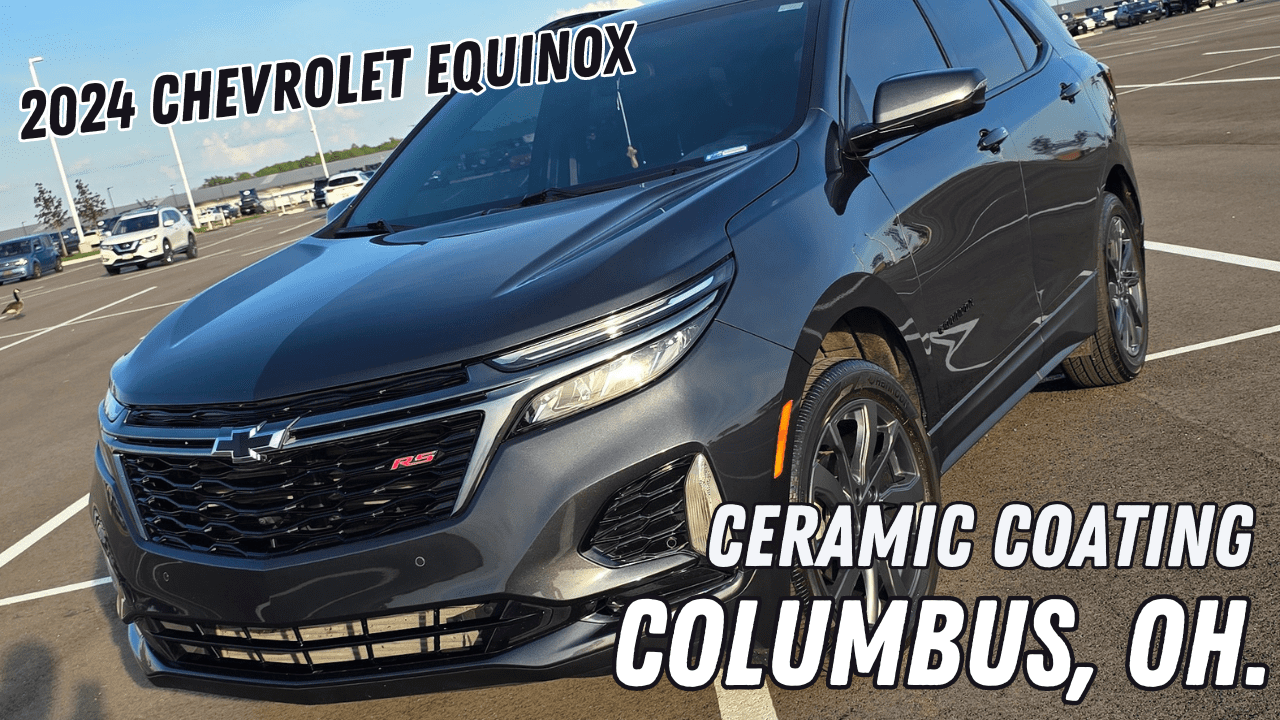
You just picked up a freshly coated car in Columbus, the paint looks deep and slick, and by the time you get home you're staring at a summer thunderstorm, I-270 construction dust, or a driveway covered in pollen. That's the part most first-time ceramic coating owners don't get told enough about. The coating is strong, but Columbus driving conditions are rough on the first layer of protection, especially when road salt, freeze-thaw grime, bird droppings, and tree sap show up at the wrong time.
A smart routine doesn't need to be complicated. It just needs to match how cars live here, parked outside in Hilliard, driven through suburban traffic, and cleaned between weather swings that don't give you much warning. This guide turns ceramic coating maintenance tips for Columbus drivers into a real-world calendar you can follow without overthinking it, whether you're keeping a daily driver clean or trying to protect a new coating after installation. If you're looking for a local starting point, Lionheart Detailing's ceramic coating page is here: Columbus ceramic coating service details.
Table of Contents
- Why Columbus Drivers Need a Local Maintenance Plan
- Understanding the First 48 to 72 Hour Cure Window
- The Right Way to Wash a Ceramic Coated Car
- Choosing Between pH Neutral Soap, Toppers, and Rinseless Washes
- What Ohio Winters and Springs Actually Do to Your Coating
- A Four Season Ceramic Coating Care Calendar for Columbus
- Common Mistakes Columbus Drivers Make With Ceramic Coatings
- When to Bring Your Coated Car to a Professional in Columbus
Why Columbus Drivers Need a Local Maintenance Plan
A lot of ceramic coating advice sounds like it was written for a car that lives in a climate-controlled garage and only sees sunny weekend drives. Columbus isn't that kind of place. A freshly coated vehicle can leave a shop looking flawless, then get hit with road spray on an on-ramp, dust from a nearby construction zone, or a storm that rolls in before dinner.
The coating still works, but the contamination load here is different. Around Columbus and Hilliard, the finish gets exposed to parking-lot dust, tree sap, bird droppings, winter salt film, and the kind of grime that sticks after freeze-thaw cycles. That's why a generic “wash it now and then” plan usually falls short.
What changes in a local routine
The most useful shift is to stop thinking about maintenance as a once-in-a-while chore. Think of it as a repeating reset that keeps the coating from getting buried under road film. A coating can make cleanup easier, but it can't shrug off contamination forever, especially when the vehicle sits outside.
Practical rule: if the surface looks dull, feels grabby, or stops shedding water the way it used to, contamination is building faster than your routine can clear it.
That's where a Columbus-specific plan helps. A driver in Hilliard with garage parking and short commutes won't need the same rhythm as someone running daily across the metro with outdoor parking and winter exposure. The goal isn't perfection, it's consistency.
For local owners, the best routine usually starts with protecting the first vulnerable week, then settles into gentle washing, timed decontamination, and seasonal attention. A good coating can save time, but only if the maintenance matches the way Columbus roads treat the car.
Understanding the First 48 to 72 Hour Cure Window
A ceramic coating doesn't finish its job the moment the applicator towel comes off. It has to cure, and that cure window is the part that gets abused most often by accident. In plain terms, the coating is still settling into place while it reacts with moisture and surface oxygen, which is why the first 48 to 72 hours are so fragile. One guide extends caution through an additional seven days after that first window, and another advises keeping the vehicle indoors and untouched for the first 72 hours. CarzSpa's coating care guide and Dr. Beasley's ceramic coating maintenance guide both point to that early no-touch period.
Fresh nail polish or wet concrete offers a good comparison. It may look finished, but pressure, moisture, and contamination can still leave marks before it fully hardens. That's why the safest early move is to leave it alone.
What to avoid during the cure window
- No rain drives: Wet roads, puddles, and spray can interfere with the finish while it's still setting.
- No washing: Even a gentle wash can disturb a coating that hasn't cured properly.
- No sprinklers or water intrusion: Outdoor parking near irrigation is a real problem for driveway-parked cars.
- No dust exposure if you can help it: Garage dust, construction dust, and pollen settle fast.
- No covers or repeated touching: Pulling a cover on and off can drag particles across the surface.
- No bird droppings left to sit: Immediate contamination control matters more during this phase than any later maintenance step.

For a driveway car in Columbus, the challenge is morning dew and pollen settling overnight. A detached garage in Hilliard helps, but it's not magic if you keep opening the door and moving dust around. If you're unsure about timing, Lionheart's coating cure overview is a useful reference: How long ceramic coating takes to cure.
Don't treat the first week like a soft suggestion. Treat it like the coating's foundation.
The Right Way to Wash a Ceramic Coated Car
Once the coating has cured, the wash routine becomes simpler, but not careless. The safest approach still follows a clean sequence, because every step is there to prevent friction and preserve hydrophobic behavior. That means stripping loose grit before touching the paint, using chemistry that won't work against the coating, and drying without dragging debris around.
A wash routine that actually fits Columbus roads
Start with a pre-rinse. On a Columbus daily driver, that first rinse does a lot of the heavy lifting by removing road grit, winter film, and dust before a mitt ever touches the surface. Then use a pH-neutral soap and a soft microfiber mitt, not a brush or a rough sponge.
After the wash, rinse from the top down so dirty water doesn't run back across panels you already cleaned. Dry with a clean microfiber towel and pull it across the paint gently, don't grind it in. On warm days, try to wash in the shade or during cooler parts of the day, because that helps reduce spotting and streaking on body panels that heat up fast.
Biggest mistake we see: automatic brush car washes. They're fast, but the bristles can introduce fine marring and wear down the coating's finish faster than most owners expect.
For a lot of drivers, the temptation is convenience. A tunnel wash seems harmless until the coating starts looking flat sooner than it should. If you want a deeper breakdown of why that happens, Lionheart's article on wash damage is a useful companion read: Do car washes ruin paint.
Simple Sunday morning order
- Pre-rinse the vehicle.
- Wash top to bottom with pH-neutral soap.
- Rinse clean.
- Dry with microfiber, not an old bath towel.
- Check lower panels, door handles, and mirrors for leftover grime.
A coated car still needs care, but the right wash takes far less effort than maintaining bare paint. That's the payoff owners notice first.
Choosing Between pH Neutral Soap, Toppers, and Rinseless Washes
A lot of ceramic coating owners get stuck trying to choose the “perfect” maintenance product. In practice, the better answer is to pick a workflow that matches where you live and how you wash. For Columbus drivers, that usually means choosing between a full contact wash at home, a touchless wash for bad-weather weeks, or a rinseless method if you don't have a hose.
Three realistic workflows
| Workflow | Best For | Frequency | Watch Out For |
|---|---|---|---|
| pH-neutral contact wash | Home driveways, garage access, owners who want the safest finish | Regular maintenance | Don't use harsh soap or dirty mitts |
| Touchless wash | Winter salt, fast cleanup, weeks with heavy road film | Useful when weather turns ugly | Some chemicals can be rough if overused |
| Rinseless wash | Apartment dwellers, limited water access, light dirt | Light maintenance between full washes | Not ideal when the car is heavily contaminated |
For chemistry, pH-neutral shampoo is the safest baseline because it cleans without fighting the coating's surface behavior. Guides also recommend avoiding wax-heavy or aggressive detergents, because those can leave residue that muddies the finish instead of helping it. Another practical detail from the field, many coatings respond better to a repeatable routine than to constant product switching.
Where toppers fit
The topper question gets messy. Some maintenance guides encourage booster products every 3 to 4 months, while others suggest rejuvenation products on a 2 to 3 month cycle or even every 6 to 12 months depending on use and conditions. The useful takeaway isn't that one number rules them all. It's that toppers make sense when hydrophobics start to slow down, not as random layering for the sake of layering. Esoteric Car Care's maintenance guide covers the idea of periodic rejuvenation, and there's also a discussion of when toppers help versus interfere in maintenance workflows in this video source.

| Workflow | Best For | Frequency | Watch Out For |
|---|---|---|---|
| pH-neutral contact wash | Home owners with regular access to water | Ongoing maintenance | Over-scrubbing panels |
| Rinseless wash | Tight spaces and apartment living | Light dirt between bigger washes | Heavy winter grime |
| Foam cannon plus rinse | Pre-wash on dirtier vehicles | When contamination is heavier | Thinking foam alone replaces washing |
The rule I'd give a new owner is simple. Pick one routine, stay consistent, and only add a topper when the coating's water behavior clearly starts fading.
What Ohio Winters and Springs Actually Do to Your Coating
Columbus winters are hard on coated cars in a way that doesn't show up in a generic wash guide. Road salt, magnesium chloride, slush, and freeze-thaw grime keep coming back fast, often within a day or two of a wash. That means the car can look clean for a minute, then pick up another film layer before the week is over.
Winter contamination is different
The issue isn't that a ceramic coating stops working. The issue is that contamination can sit on top of it and still create a nasty surface condition. When winter film gets ignored, the coating's hydrophobic behavior starts to feel weaker, not because the layer vanished, but because the surface is crowded with residue.
That's why winter maintenance in Columbus usually needs more frequent attention than a milder climate. A daily driver may need touchless cleanup more often than the typical every-14-days advice you see online. Immediate removal matters most for road salt and the sticky grime that comes with it.
Spring brings a different problem. Pollen and tree sap land on a cold finish and cling harder than drivers expect. Summer adds construction dust, especially around active highway and neighborhood projects, and that dust loves to settle on panels that heat up in the sun.
A coated surface still needs clean contact points. If contamination sits long enough, the coating has less room to do its job.
For Columbus owners, that means the wash calendar changes by season. Winter is about keeping salt off quickly. Spring is about pre-rinsing pollen before it gets rubbed in. Summer is about avoiding hot-panel water spots and washing in the shade whenever possible.
The biggest local mindset shift is this. A coating makes contamination easier to remove, but it doesn't make contamination harmless. The faster you reset the surface, the longer it keeps the slick feel that made you want the coating in the first place.
A Four Season Ceramic Coating Care Calendar for Columbus
A coating lasts longer when the owner stops guessing and starts using a calendar. In Columbus, the seasons themselves tell you what to do. Winter is for removal, spring is for reset, summer is for gentleness, and fall is for getting ready before the first freeze.
Winter, spring, summer, fall
Winter: Wash when salt buildup is visible, and don't let road film sit for long after a storm. Maintenance guides support periodic decontamination washes a couple of times per year, and winter is usually when one of those becomes essential. If your car is a daily driver, this is also the season to keep an eye on beading and rinse off fresh salt as soon as practical. Esoteric Car Care is one of the sources that points to scheduled rejuvenation and decontamination, and it lines up with what holds up in Ohio weather.
Spring: Pre-rinse before contact washing to move pollen and sap off the surface. This is the season where coated cars often look dirty even when they were washed recently, because pollen settles fast and sticks to the finish. A gentle topper can make sense here if the coating's slickness has started to fade.
Summer: Wash in shade or during cooler parts of the day. Bug remains and construction dust should come off quickly, because hot panels make residue harder to remove cleanly. This is also the season when water spotting gets annoying if drying gets rushed.
Fall: Get ahead of the first salt application, not after it. A booster or topper before winter can help the coating feel fresh before the road season gets rough again. If you prefer professional help, a Hilliard or Columbus detail appointment can bundle decontamination, topper application, and inspection into one visit.
A simple seasonal rhythm
- Winter: weekly rinses when the roads are salty
- Spring: pollen pre-rinse before washing
- Summer: shaded washes and quick bug removal
- Fall: fresh prep before the first freeze
The best calendar is the one you'll follow. For most Columbus drivers, that means short, repeatable tasks tied to the weather instead of a perfect but unrealistic routine.
Common Mistakes Columbus Drivers Make With Ceramic Coatings
The most expensive ceramic coating mistake isn't usually the coating itself. It's the thing done to it afterward. I see the same problems over and over, and they're almost always avoidable once a driver understands what the coating can't survive.

The seven mistakes that come up most
- Automatic brush washes: They save time, but the brushes can add fine marring and weaken the coating's finish. Use a hand wash or touchless option instead.
- Washing in direct sun: Hot panels spot faster and streak more. Wash in shade or during cooler parts of the day.
- Using wax-heavy products: They can leave residue that interferes with the coating's surface behavior. Stick to coating-safe maintenance products.
- Skipping the first-week cure window: A new coating should not be washed for one week after installation, and early contamination control matters.
- Using ice scrapers on coated trim: Scrapers can damage edges and trim surfaces. Clear ice gently, not aggressively.
- Covering a half-cured car: A cover can trap dust and move it across the surface. Wait until the coating has had time to set properly.
- Assuming the coating is scratch-proof: It isn't. It's more resistant than bare paint, but it still needs careful washing and drying.
A ceramic coating protects the finish, it doesn't erase bad habits.
The fix for all seven is the same mindset. Use softer tools, cleaner towels, and slower motions. If a product or tool feels aggressive, it probably is. That's especially true for Columbus drivers who deal with salt, dust, and pollen all in the same year.
If you want one habit that prevents most problems, make it this. Stop washing like you're trying to scrub off a pan, and start washing like you're protecting a finished surface.
When to Bring Your Coated Car to a Professional in Columbus
Home maintenance handles a lot, but it can't replace a real decontamination when the coating starts to feel tired. That's where a professional service fits in. A maintenance detail usually includes a decontamination wash, iron and tar removal, a light booster or topper, and a final inspection of the paint's behavior. It sits between your weekly washes, not instead of them.
I've seen this make a real difference on an SUV that came in after one ugly Columbus winter. The owner said the water used to bead sharply, then started looking chalky and slow. After a decontamination service, the hydrophobics came back, and the surface felt much cleaner to the touch without a heavy correction step.
That outcome is common when the coating is healthy but loaded with road film. The surface often doesn't need drama, it needs cleanup. A professional service can strip the contamination that regular washing leaves behind, especially after salt season or a spring buildup of grime and pollen.
When professional help makes sense
- Beading has slowed down: The coating may need rejuvenation.
- The paint feels rough after washing: Embedded contamination is likely sitting on top.
- Winter has left a chalky film: Road residue can hide the coating's real condition.
- You don't have the time or space for a proper wash: A mobile or shop appointment fills the gap.
Lionheart Detailing handles this kind of work through both its Hilliard shop and mobile unit, and a maintenance visit can be a practical way to keep the original coating investment working the way it should. If you want help keeping up with ceramic coating maintenance, paint protection film, or full detailing in the Columbus area, reach out through Lionheart Detailing.
A CTA for Lionheart Detailing.