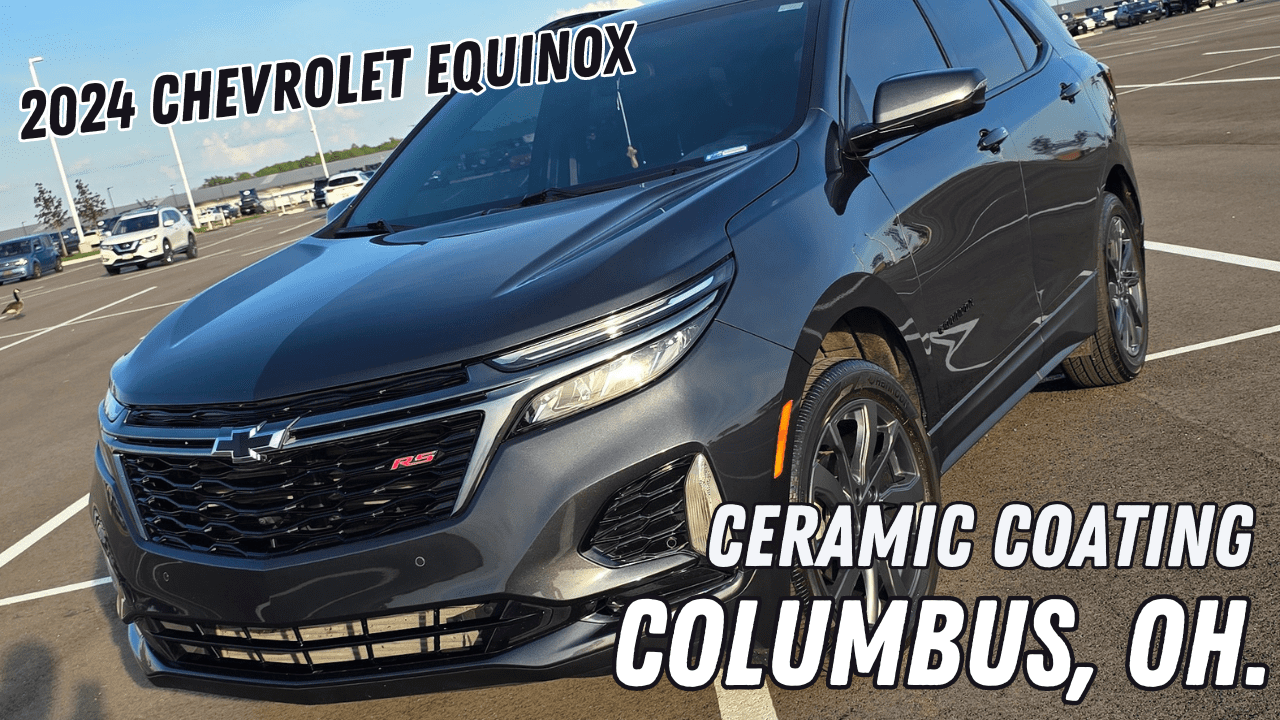
Is Full Front PPF Worth It for Your Car?
You just got a new car, or maybe you want to protect the one you love. Every time you merge onto I-270, you hear the faint ping of gravel hitting your bumper and wince. You’ve heard about Paint Protection Film, or PPF, but what exactly is a full front package, and is it the right choice?
Around Hilliard and Columbus, that question comes up all the time. New SUV owners want to keep the nose clean through highway miles. Sports car owners don’t want the front bumper peppered after one season. Daily drivers just want to stop repainting the same high-impact panels. Full front PPF sits right in the middle of those needs because it protects the most exposed painted areas without going to a full-body wrap.
At Lionheart Auto Detailing & Protection, we see the same pattern over and over. The front end takes the abuse first. This guide walks through what full front PPF really includes, where it makes sense, where it doesn’t, and how the answer changes depending on the kind of vehicle you drive in the Columbus area.
Table of Contents
- 1. Full Front-End PPF Coverage The Complete Hood-to-Bumper Approach
- 2. Luxury Sedan Front Protection for High-End Paint
- 3. High-Mileage Highway Vehicle Front Protection Practical Coverage for Commuters
- 4. Sports Car and Performance Vehicle Front Coverage Protection for High-Value Investments
- 5. Electric Vehicle and Modern Design Front Coverage Specialized Protection for Unique Styling
- 5. Electric Vehicle and Modern Design Front Coverage Specialized Protection for Unique Styling
- Full Front PPF: 5-Point Comparison
- Your Next Step for Flawless Paint Protection in Columbus
1. Full Front-End PPF Coverage The Complete Hood-to-Bumper Approach
A full front PPF package is the setup drivers ask for after the first few weeks of Columbus highway use. The car still looks new, but the risk is obvious. The bumper sits in the blast zone, the hood catches sand and small stones, and the mirrors and fender fronts take hits that owners usually do not notice until wash day.
For most vehicles, full front coverage includes the front bumper, full hood, full front fenders, mirror caps, and headlights. On some body styles, I also recommend adding the A-pillars and a strip at the leading edge of the roof. That matters on taller SUVs, sharper-nose sedans, and cars that spend a lot of time on I-270, Route 33, or 71, where debris can travel higher than owners expect.
The film itself is a clear urethane layer designed to absorb minor impact from road grit and reduce direct abuse to the paint. A good install also wraps edges where the panel shape allows it, which helps the film look cleaner and hold up better through washing and regular use. If you want a realistic look at trade-offs before booking, our paint protection film pros and cons guide lays that out clearly.
What a full front package usually includes
This package is the middle ground I recommend most often in the shop. It protects the panels that get hit first without pushing every owner into full-body film.
What that looks like in practice depends on the vehicle:
- Luxury sedan: A BMW 5 Series or Mercedes E-Class usually benefits from full hood and full fender coverage because partial kits can leave visible film lines on dark paint.
- High-mileage commuter: A Honda Accord, Toyota Camry, or F-150 driven daily around Columbus gets the clearest value on the bumper, hood, mirrors, and headlights, where chip damage shows up fast.
- Sports car: A Corvette or Porsche sits lower, so the bumper and hood take harder abuse. These cars often need extra attention around aggressive curves, vents, and tucked edges.
- Modern EV: A Tesla Model Y or Hyundai Ioniq 5 may have a smoother front profile, but the large painted nose sections still collect impact. Sensor areas and tight panel shapes also affect how the film is patterned and installed.
- SUV or family hauler: A Telluride, X5, or Grand Cherokee often benefits from optional A-pillar and roof-edge coverage because the taller front end can throw debris upward.
That vehicle-by-vehicle difference is key. “Full front” is one label, but the strategy changes with ride height, paint softness, front-end shape, and how the car is used.
When this package makes the most sense in Columbus
Columbus roads are hard on front paint for a few reasons. Highway construction, winter grit, truck traffic, and suburban commuting all put repeated impact on the same leading edges. Owners who drive short local routes only a few times a week may be fine with a smaller package. Owners who commute across the outer belt usually notice the value much sooner.
I tell customers to make the decision based on exposure, not just vehicle price. A daily-driven commuter on 270 can need front-end film more than a weekend luxury car that rarely leaves Dublin or Hilliard. On the other hand, a high-end black sedan may justify full front coverage early because every chip and scratch stands out.
There are trade-offs. Full front PPF costs more than partial front coverage. Installation takes more time. Film also needs proper washing habits if you want it to stay clear and presentable. But compared with repainting a bumper, blending adjacent panels, or living with a hood full of chips, it is often the cleaner long-term choice for the right driver.
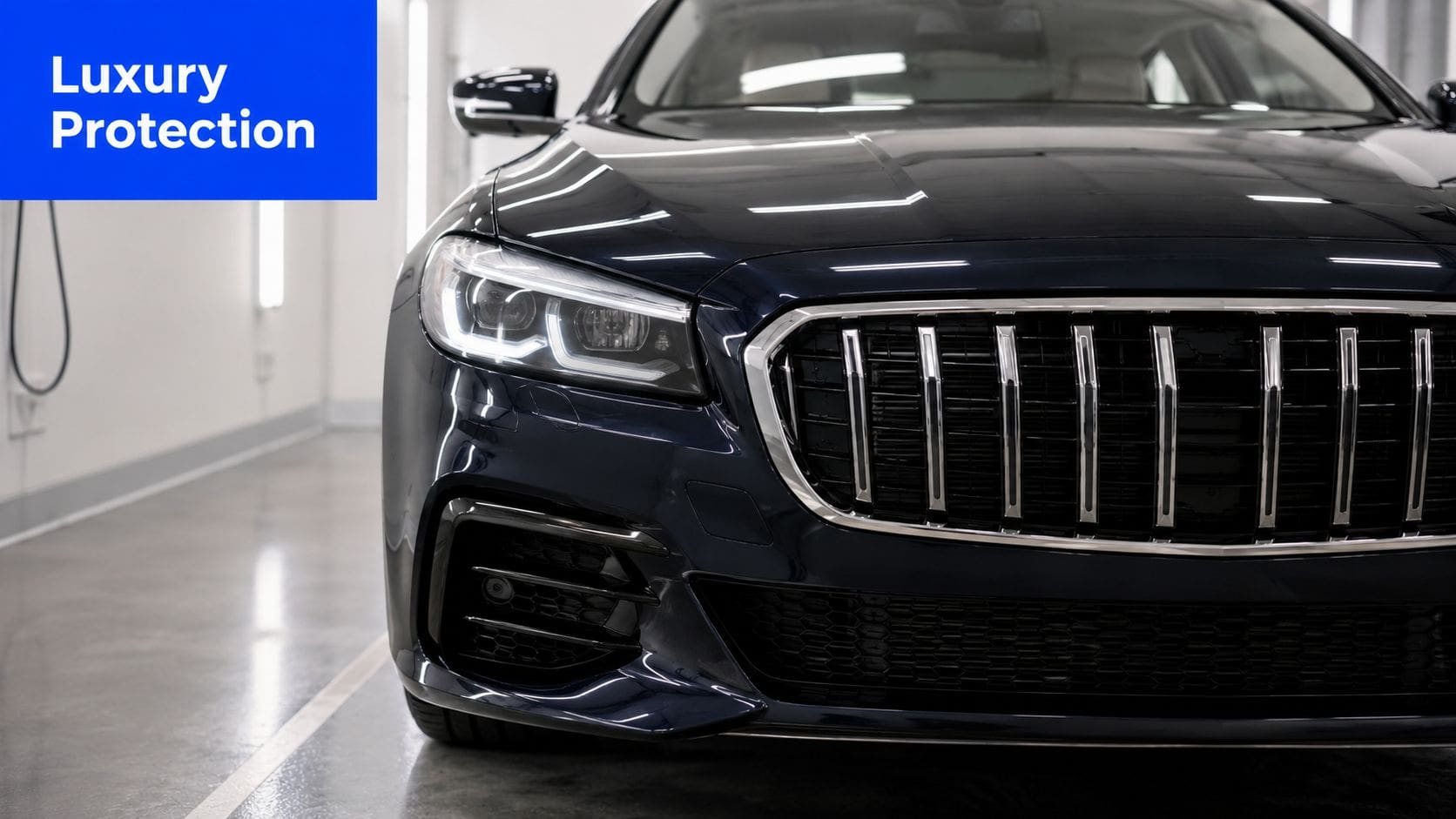
2. Luxury Sedan Front Protection for High-End Paint
A new luxury sedan looks perfect for about one highway trip. Drive a fresh 5 Series from Hilliard to downtown Columbus in winter, and the front end starts collecting the kind of light impact marks that are hard to ignore on dark, soft, high-gloss paint. Luxury cars show mistakes faster, whether that mistake is a rock chip or a sloppy film install.
Why luxury sedans demand cleaner installation work
A BMW M440i xDrive, Mercedes-Benz E-Class, Audi A6, or Lexus ES all need front-end film for the same basic reason, but the install strategy changes from car to car. A BMW grille area leaves very little room for crooked alignment. Mercedes headlights and trim transitions punish lazy edge work. Audi front clips tend to look sharp and architectural, so trapped debris, silvering, or lifted corners stand out quickly in direct sun.
That is the luxury-sedan angle in this five-car comparison. On a commuter car, the main goal is blocking repeated highway damage at a sensible price. On a premium sedan, protection still matters, but appearance matters just as much. If the film is visible from five feet away, the job missed the point.
Film choice matters here too. Higher-end films usually have better clarity, more stable topcoats, and cleaner self-healing behavior under normal heat exposure. If you want to compare material differences before choosing an installer, our guide to the best PPF brands for clarity, finish, and long-term performance is a useful starting point.
What usually gets extra attention on a luxury sedan
Luxury sedans often need more than a basic template dropped onto the front clip. Good work usually includes:
- Tucked edges where the panel design allows it
- Specific pattern adjustments around grilles, sensors, and washer covers
- Careful handling near gloss black trim and chrome strips
- Clean coverage around headlight corners and painted bumper inlets
Those details are easy to miss on the install day and impossible to ignore later.
I also warn owners about trade-offs. Full front film on a luxury sedan costs more because prep takes longer, patterns are less forgiving, and the finish standard has to be higher. Some front ends also have so many cuts, vents, and trim breaks that a poor installer can leave more visible edges than you would expect. The package still makes sense for many owners, but only if the work is clean enough to preserve the look of the car.
Best fit for Columbus-area luxury sedan owners
When shopping for paint protection film in Hilliard or Columbus for a premium sedan, I usually ask two questions first. Is the car a true daily driver, and how picky are you about seeing small flaws in the paint?
For a black or dark blue sedan that sees I-270, Route 315, or regular airport runs, full front coverage is often money well spent early. For a garage-kept weekend car that stays local, the decision is more about preserving near-perfect paint and avoiding bumper and hood repaint work later.
Luxury sedan owners usually care about one thing above everything else. The film should protect the paint without making its presence obvious. That takes the right product, the right prep, and an installer who knows how a premium front end should look when the car rolls back into sunlight.
3. High-Mileage Highway Vehicle Front Protection Practical Coverage for Commuters
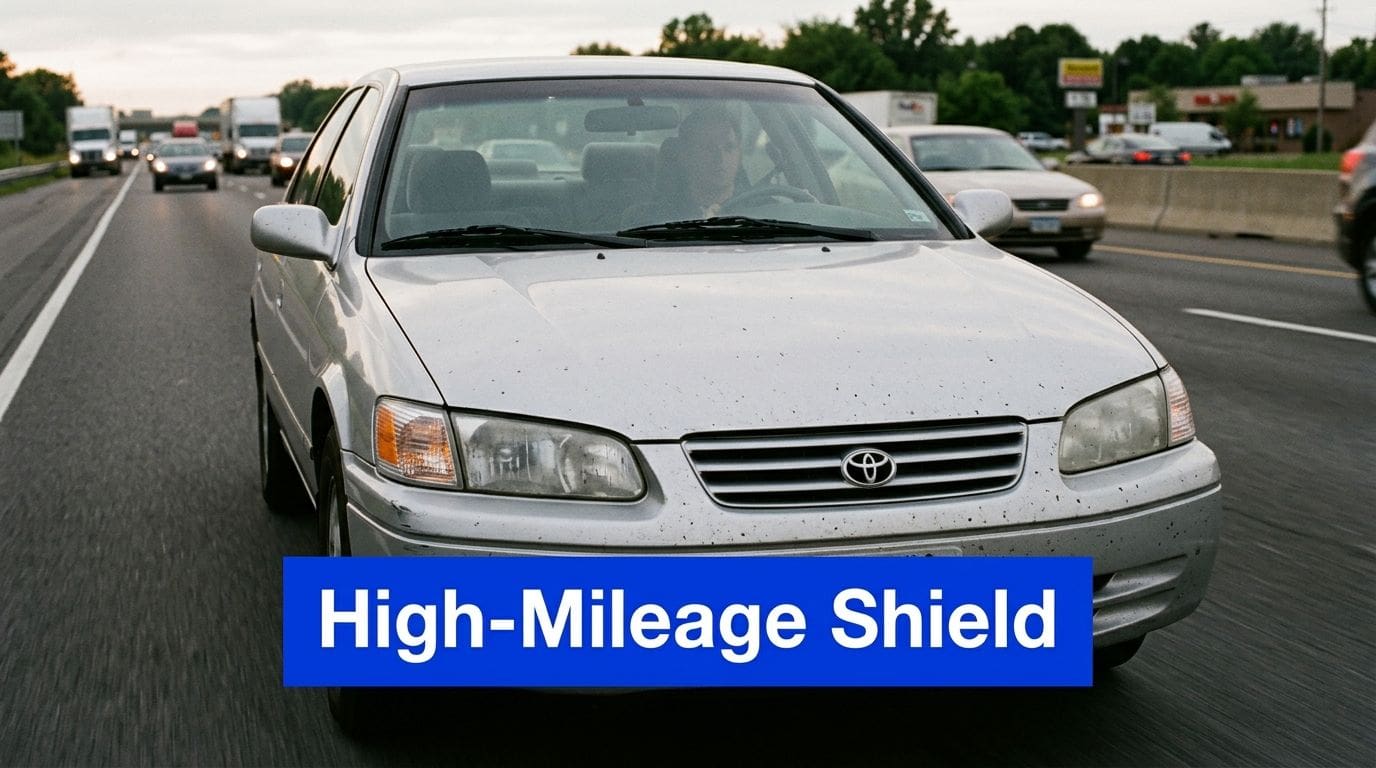
A commuter car on I-270 can collect more front-end abuse in six months than a weekend car sees in years. That is why full front PPF often pencils out fastest on high-mileage vehicles around Columbus, Hilliard, Dublin, and the outer suburbs.
A 2020 Ford F-150 Crew Cab with a long freeway commute, a 2021 Honda CR-V running suburban miles every day, a 2022 Nissan Rogue used for field service calls, or a 2018 Toyota Camry that lives on the highway all fit this category. These are practical PPF jobs. They usually deliver some of the clearest day-to-day value.
Why commuters usually see the payoff sooner
High-mileage driving changes the math. Repeated exposure to road grit, winter sand, salt spray, and truck tire debris wears on the same areas over and over. The leading edge of the hood, painted bumper, mirror caps, and headlights take the hit first, especially on routes with steady highway speed.
For many daily drivers, the question is not whether the front end will get chipped. It is how quickly.
A full front install costs real money up front, and the car still has to be cleaned, decontaminated, and prepped properly before film goes on. Most commuter owners I talk to are not buying it for bragging rights. They are trying to avoid a bumper full of peppered chips, a hood that starts looking sandblasted, or repaint work that never quite matches the original finish the same way again.
Install time also matters for people who need the car back quickly. A full front package is usually a same-day or overnight job depending on the vehicle shape, prep condition, and cure time. That makes it manageable for a working daily, especially compared with body shop downtime after damage has already built up.
Coverage choices that make sense on commuter vehicles
Commuter vehicles do not need the same approach as a black luxury sedan or a low-clearance sports car. The goal here is practical protection in the zones that get hit most often.
On this type of vehicle, I usually focus on:
- Full hood instead of partial hood: Partial kits can leave a visible line across the hood, and commuters tend to collect enough wear that the line becomes more noticeable over time.
- Full bumper coverage: This is the first panel to show chip damage from highway driving.
- Full fenders: Useful on vehicles that pick up side spray and debris near the wheel arches.
- Mirror caps: Small area, frequent impact point.
- Headlights: Good for preserving clarity on cars that spend a lot of time outdoors and on the road.
For local drivers considering Hilliard auto detailing or Columbus PPF, this is usually the most grounded use case. It is less about keeping a show-car finish and more about keeping a daily driver from looking tired before its time.
Best fit for Columbus-area commuters
Some drivers are better candidates than others. The owners who benefit most usually rack up highway miles every week, park outside at work, or plan to keep the vehicle long enough to care what the front end looks like three or four winters from now.
If you are still comparing protection options, this guide on wax vs sealant vs ceramic coating vs PPF helps explain why film is the choice for impact protection, not just gloss or easier washing.
The trade-off is straightforward. Full front PPF costs more than basic surface protection, and commuter vehicles are not always pampered enough to keep the film looking perfect without regular washing. But for the right driver, especially one doing steady highway miles around Columbus, it is one of the few upgrades that keeps paying off every time the next rock hits the bumper instead of the paint.
4. Sports Car and Performance Vehicle Front Coverage Protection for High-Value Investments
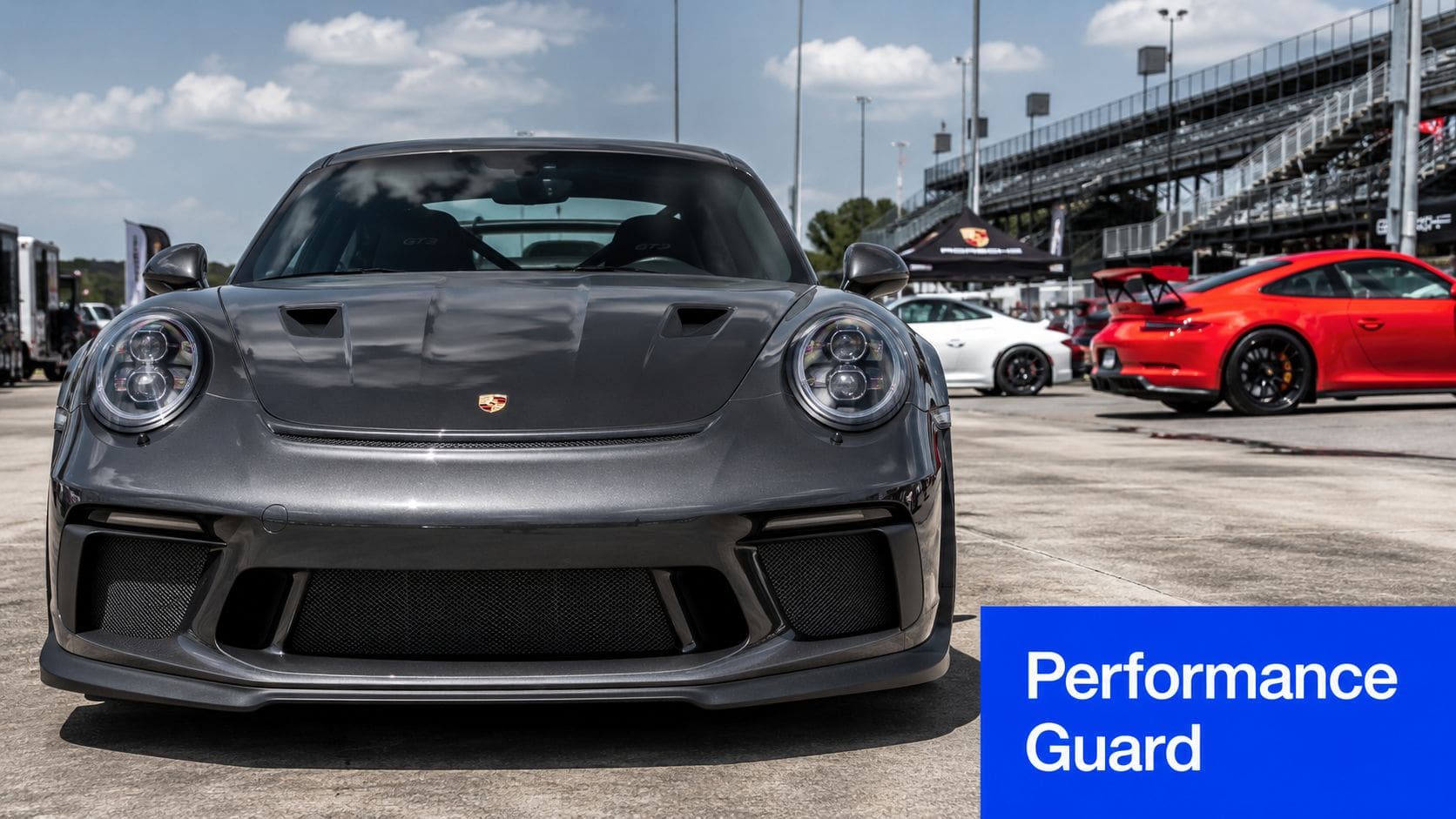
A low Corvette leaving Cars and Coffee in Dublin can pick up a chip before it reaches the next highway exit. That is the sports-car version of the full front PPF decision. These cars do not need high annual mileage to take front-end abuse. They need one hard weekend drive, one close run behind traffic, or one day at Mid-Ohio with sticky tires throwing debris back into the paint.
A Porsche 911, Corvette C8, BMW M car, Supra, Camaro ZL1, or AMG coupe all share the same problem. The nose sits low, the front openings are wide, and the paint on the bumper, hood edge, and fenders takes direct hits. Wider tires can make it worse by throwing grit along the lower panels and behind the front wheels.
Why performance cars need a different coverage mindset
On a commuter, full front PPF is usually about slowing down wear over time. On a performance car, it is often about preserving paint that is expensive to match, expensive to repaint, and very easy to damage.
That matters more on cars with sharp body lines, painted aero pieces, gloss black trim, and complex bumper shapes. The more aggressive the front end, the more vulnerable edges and high-impact zones you have. Full front coverage usually includes the full hood, full bumper, full fenders, mirror caps, and headlights for exactly that reason. Partial coverage lines stand out more on cars with low noses and dramatic reflections.
I usually tell sports car owners to decide based on how they drive, not how often. A car that only comes out twice a month can still be a strong PPF candidate if those drives include back roads, highway pulls, rally events, or track days around central Ohio.
Where the first damage usually shows up
The pattern is predictable:
- Front bumper cover: Direct hit zone for gravel, tire debris, and bug acids.
- Leading edge of the hood: Common chip line, especially behind SUVs and trucks.
- Front fenders near the nose: Catches angled impacts that miss the bumper.
- Mirror caps: Small target, frequent damage.
- Headlights: Film helps preserve lens clarity and reduces pitting over time.
One real-world six-month track-use example reported surface damage reduced by up to 70% compared with untreated surfaces, with zero yellowing, peeling, or bubbling during that period and durability in the 5 to 10 year range under moderate conditions. That lines up with what performance owners are trying to avoid. Not just repaint cost, but the gradual loss of originality on a car they care about.
The trade-offs are different on enthusiast cars
Sports car owners usually notice the downsides faster too. Film on a weekend car still needs careful washing. Track rubber, bug residue, and brake dust can sit on the front end longer because the car may not get cleaned right away. Lower cars also put the film edges closer to heavy contamination.
Budget is the other obvious factor. Full front coverage on a performance vehicle is rarely the cheapest detailing decision you can make. But repainting a bumper with sensors, complex vents, or difficult color match work is not cheap either, and resale conversations get harder when the nose already shows peppering and touch-up spots.
If you are still comparing impact protection with gloss-focused options, this breakdown of wax vs sealant vs ceramic coating vs PPF helps clarify why film is the option that physically absorbs abuse.
For Columbus-area enthusiasts, this category is less about mileage and more about exposure. A performance car driven the way it was built to be driven usually benefits from full front coverage earlier than owners expect.
5. Electric Vehicle and Modern Design Front Coverage Specialized Protection for Unique Styling
A new EV can look almost untouched for months, then the front bumper starts showing the same chip pattern we see on any other daily driver around Columbus. The difference is that damage stands out faster on these cars because the front-end styling is cleaner, the paint colors are often less forgiving, and the trim details leave less room for a sloppy install.
A 2024 Tesla Model 3 in black, a 2024 Tesla Model Y in Pearl Multi-Coat, a 2023 Hyundai Ioniq 6, a 2022 Volkswagen ID.4, or a 2024 BMW i4 all fit this category. They share the same basic problem. Smooth, modern front ends usually have tight edges around cameras, parking sensors, lighting elements, gloss black trim, and curved bumper sections that show every stretch mark, lift line, or trapped speck if the film is not fitted carefully.
Why EV front ends need a different installation plan
EVs often look simpler than they are. Many have fewer grille openings, flatter noses, and broad painted surfaces, which means the film has to lay cleanly across larger visible areas. On a gas sedan, busy front-end styling can hide a small edge or relief cut. On a Tesla, Ioniq 6, or i4, the panel design does the opposite. It exposes mistakes.
That is one reason the market has shifted toward more vehicle-specific patterns and cleaner installation methods. Grand View Research describes automotive paint protection film as a major part of a growing global PPF market, with demand supported by buyers who want to preserve finish quality on newer vehicles with expensive exterior materials and paint systems (Grand View Research PPF market analysis).
For EV owners considering Columbus ceramic coating or Hilliard paint protection film, this vehicle type is one of the clearest cases where precision matters as much as material quality.
Coverage choices depend on how the car is used
This archetype is not only about electric power. It is about design. A commuter-driven Model Y that sees I-270 every day usually benefits from a true full front package because the bumper face, hood leading edge, and mirror caps take steady abuse from road grit and truck spray. A lower-use BMW i4 or Polestar that spends more time in town may still justify the same coverage if the owner cares about keeping a dark, high-gloss front end free of chip repair spots.
There is also a practical middle ground. Some EV owners choose bumper, partial hood, fenders, mirrors, and headlights because they want impact protection in the areas that get hit first without wrapping every painted front panel. That can make sense on a leased vehicle or on a daily driver where budget matters more than having every forward-facing panel covered.
The trade-off is visible. Partial coverage can leave a line on the hood or fender where protected paint ages differently from exposed paint. On cleaner EV designs, that line is easier to spot than it is on vehicles with more body breaks.
Sensors, trim, and finish quality matter more than people expect
Modern front ends add another layer of detail. Front cameras, parking sensors, gloss black inserts, radar covers, and thin lighting surrounds all need careful handling during prep and install. The goal is simple. Protect the painted surfaces without creating silvering around edges, tension near sensor openings, or ugly seams in the most visible part of the car.
That is why this category is less about selling a standard package and more about matching the film layout to the vehicle. On EVs and other modern designs, the best full front result usually comes from careful pattern choice, selective bulk work where needed, and realistic conversations about what should be wrapped, what should be left alone, and what will stay looking clean over time in Columbus conditions.
5. Electric Vehicle and Modern Design Front Coverage Specialized Protection for Unique Styling
EVs and newer sleek front ends bring a different installation challenge. The surfaces look simple from ten feet away, but close up they demand very careful pattern fitment around sensors, lighting elements, trim transitions, and smooth panel curves. A bad install on an EV stands out because the design itself is so clean.
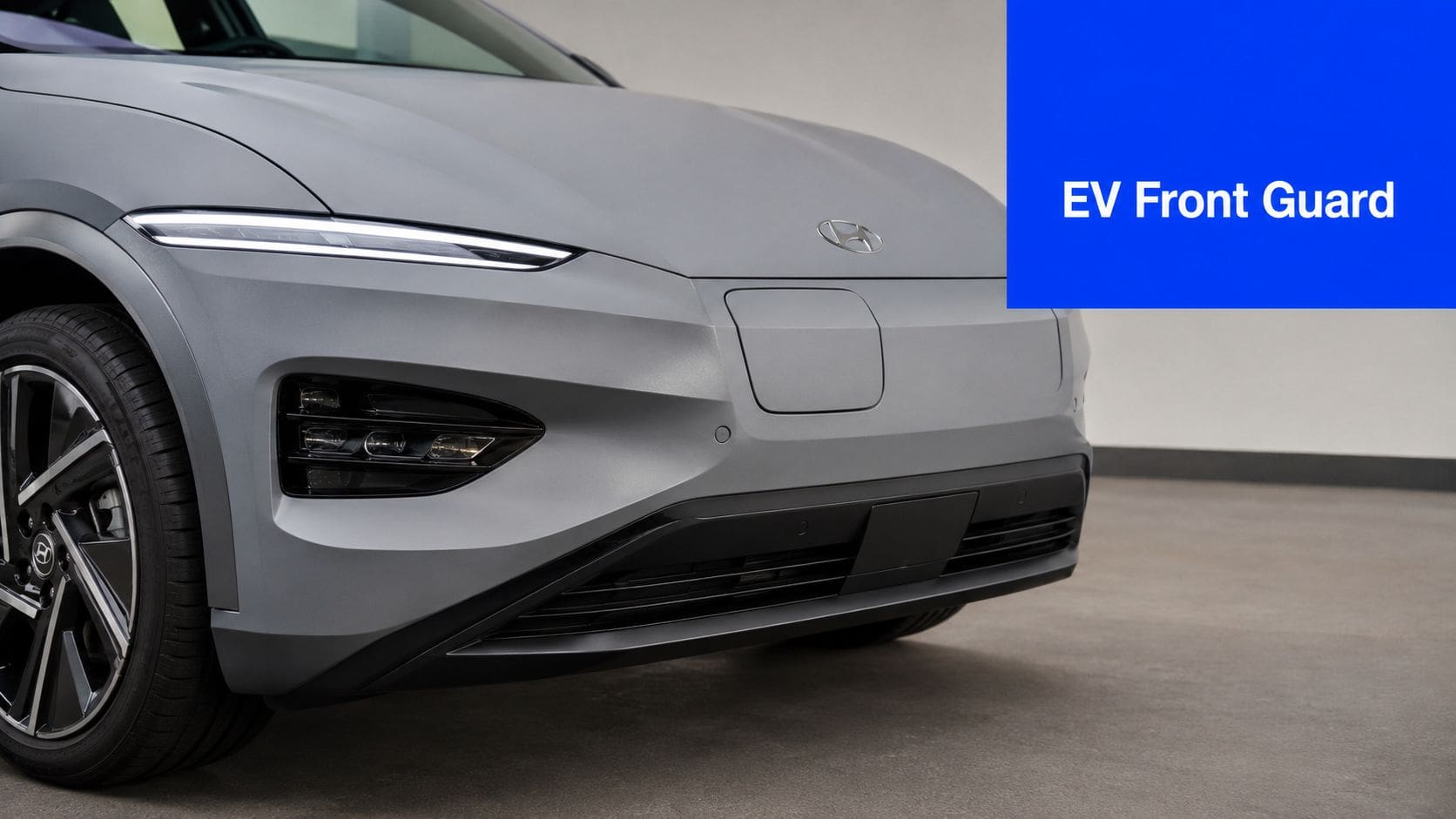
Think of a 2024 Tesla Model 3 in black, a 2024 Tesla Model Y in Pearl Multi-Coat, a 2023 Hyundai Ioniq 6, a 2022 Volkswagen ID.4, or a 2024 BMW i4. These vehicles usually benefit from precise custom-fit film and careful handling around cameras, lighting, and trim edges.
Why modern EV front ends need a different approach
The market itself has expanded well beyond one kind of vehicle. The global paint protection film market was valued at USD 528.6 million in 2022 and is projected to reach USD 1,048.7 million by 2030, while the automotive segment accounted for over 75% of total revenue in 2023. That’s one reason EV owners now have better access to vehicle-specific film patterns and more experienced installers than they did a few years ago.
There is also a practical middle-ground trend worth paying attention to. Many owners now choose a hybrid package. Full front PPF for the impact zones, then ceramic coating on the rest of the vehicle. That setup makes sense for modern daily-driven EVs because it protects the front where it matters most and keeps the rest easier to wash without the cost of wrapping every painted panel.
What to do after installation
The prep and aftercare matter just as much as the actual install. Proper installation requires a hand wash, clay bar decontamination, and a final isopropyl alcohol wipe-down before the film is applied. Afterward, the vehicle should stay dry for 24 to 72 hours while the film begins curing, and some films can take up to two weeks to fully bond.
For EV owners, I recommend a short list of essentials:
- Use an installer familiar with EV patterns: Sensor-heavy, minimalist front ends leave less room for error.
- Confirm nothing interferes with driver-assist systems: Protection should stay invisible in both appearance and function.
- Hold off on washing right away: Let the film settle before introducing water pressure or soap.
- Expect minor haze or moisture at first: That can be normal during cure if the install was done properly.
For people searching Columbus ceramic coating, Hilliard ceramic coating, or Hilliard paint protection film, EVs are one of the clearest cases where installer precision matters more than marketing language. The front of the car has to stay clean, sharp, and fully functional.
Full Front PPF: 5-Point Comparison
| Option | 🔄 Implementation Complexity | ⚡ Resource Requirements (cost & skills) | ⭐ Expected Outcomes / 📊 Impact | Ideal Use Cases | 💡 Key Advantages / Tips |
|---|---|---|---|---|---|
| Full Front-End PPF Coverage: The Complete Hood-to-Bumper Approach | Moderate–High, professional patterning and careful edge work; 24–48h cure | $800–$1,500; premium film (XPEL/3M), certified installer, 1–2 days shop time | High protection, ≈95% reduction in rock chips; hydrophobic, self‑healing; preserves factory paint 📊⭐ | Frequent highway drivers, new vehicles, owners seeking resale protection | Seamless, broad coverage; pairs well with ceramic coating; ask for edge sealant and post‑install inspection 💡 |
| Luxury Sedan Front Protection: Comprehensive Coverage for High-End Paint | High, precision cutting around grilles, chrome, LEDs; flawless finish required 🔄 | $1,200–$2,000+; top-tier film, highly experienced luxury installers, longer prep/curing | Premium outcome, near‑invisible protection that preserves showroom finish and resale value 📊⭐ | BMW/Mercedes/Audi/Lexus owners, collectors, pre‑delivery installations | Tailored patterns for delicate paints; photograph installation for warranty; prefer premium film brands 💡 |
| High-Mileage Highway Vehicle Front Protection: Practical Coverage for Commuters | Moderate, strategic coverage of high‑impact zones; surface prep for aged paint | $800–$1,200 (variable); durable film options, professional install, possible paint correction | Practical impact, reduces long‑term repair costs and cumulative chips; extends paint life 📊⭐ | Daily long‑distance commuters, fleet vehicles, work trucks | Prioritize hood/bumper if budget constrained; schedule pre‑winter install and regular inspections 💡 |
| Sports Car and Performance Vehicle Front Coverage | Very High, custom cuts for aggressive aero, low bumpers, and special finishes 🔄 | $1,500–$2,500+; elite installers, premium self‑healing films, precise edge sealing | Exceptional protection, preserves high‑value finishes during spirited driving/track use 📊⭐ | Porsche, Corvette, BMW M, track enthusiasts, performance owners | Use highest‑clarity film; combine with ceramic coating; expect meticulous installation and documentation 💡 |
| Electric Vehicle and Modern Design Front Coverage | High, specialized cutting for charging ports, flush fittings, sensors; avoid interference 🔄 | $1,000–$1,500+; installers experienced with EVs, custom patterns, careful masking | Strong visual & functional protection, preserves minimalist styling and sensor/charging function 📊⭐ | Tesla, Ioniq, ID.4, EV owners, modern‑design vehicles | Verify sensor/port compatibility; request edge seal around charging port; prefer premium optical‑clarity films 💡 |
Your Next Step for Flawless Paint Protection in Columbus
Choosing the right paint protection comes down to your vehicle, your driving habits, and your goals. Full front PPF isn't a one-size-fits-all answer, and that's exactly why it helps to think in real use cases instead of generic sales language. A luxury sedan needs invisible edge work. A highway commuter needs practical impact protection. A sports car owner usually wants peace of mind and cleaner paint. An EV owner needs precise fitment around modern design details.
The good news is that full front coverage is usually the sweet spot for owners who want serious protection without paying for a full-body wrap. It focuses on the panels that take the brunt of road debris and keeps the car looking newer where damage shows first. That's why it has become such a common package in the market, especially for premium daily drivers and highway-used vehicles.
The other key point is honesty. PPF can absorb abuse, reduce the chance of chips, and make maintenance easier when it's paired with good wash habits. It can't make paint indestructible, and it shouldn't be sold as a guaranteed resale-value play for every type of vehicle. The best results come when the package matches the way you drive.
If you're in Hilliard, Dublin, Upper Arlington, Worthington, or anywhere around the Columbus metro, a proper consultation is worth it before you book. At Lionheart Auto Detailing & Protection, that means looking at your specific vehicle, discussing where and how you drive, and recommending coverage that makes sense. For some drivers, that's a full front package. For others, it may be a different mix of PPF, ceramic coating, or detailing services. Lionheart Detailing also offers full front PPF service from its Hilliard shop and through its Columbus-area service model, which makes it a practical option if you want local help with both protection and aftercare.
If you want help deciding whether full front PPF fits your car and your driving habits, contact Lionheart Detailing. We can walk you through coverage options, explain what to expect from the install, and give you a clear quote for PPF, ceramic coating, or detailing service in Hilliard and the greater Columbus area.