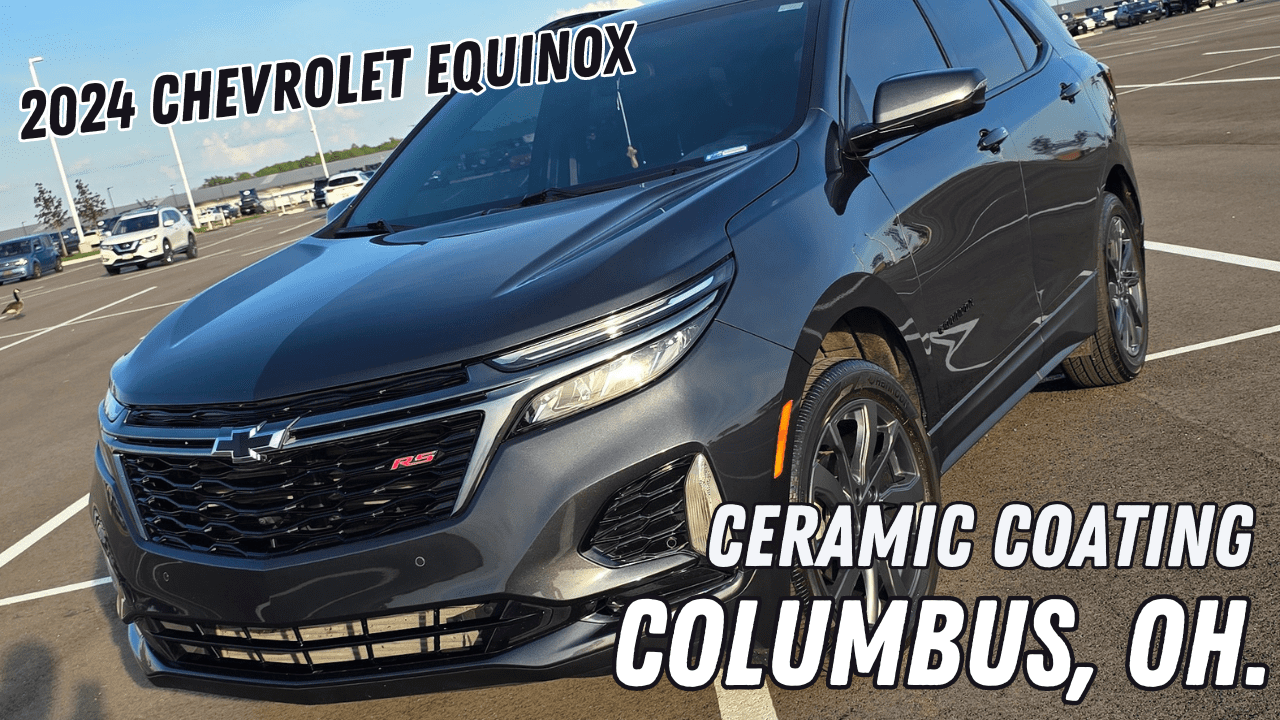
You’re probably here because you just bought a car you care about. Maybe it’s brand new. Maybe it’s the nicest vehicle you’ve ever owned. Then you drive around Columbus for a few days, hear one nasty ping off the front bumper, and suddenly you’re researching the best PPF brand at midnight.
That’s a normal place to start, but it’s not the whole answer.
The film matters. Brand matters. Warranty matters. But after years around protected cars, corrected paint, and real-world road abuse, the biggest mistake I see is people shopping the logo on the box while ignoring the hands putting that film on the car. A top-tier film installed badly can look worse than no film at all. A strong installer with a good film usually beats a weak installer with the “best” film every time.
For anyone comparing Columbus PPF, Hilliard paint protection film, or even trying to decide between PPF and a ceramic coating near me, this guide is the practical version.
If you are searching for ppf Columbus Ohio, the real goal should not just be finding film availability, but finding the right combination of film quality, coverage, prep, and installer skill.
No fluff. No brand worship. Just what matters when your goal is to keep paint looking new.
Table of Contents
- That Heart-Sinking Sound A Rock Chip on Your New Car
- What Exactly Is Paint Protection Film Anyway
- The 4 Hallmarks of a High-Quality PPF Brand
- A Pro’s Take on Today’s Top PPF Brands
- Which PPF Is Best for Your Car and Driving Style
- Simple Steps to Care for Your New Paint Protection Film
- Finding a Trusted PPF Installer in Columbus Ohio
That Heart-Sinking Sound A Rock Chip on Your New Car
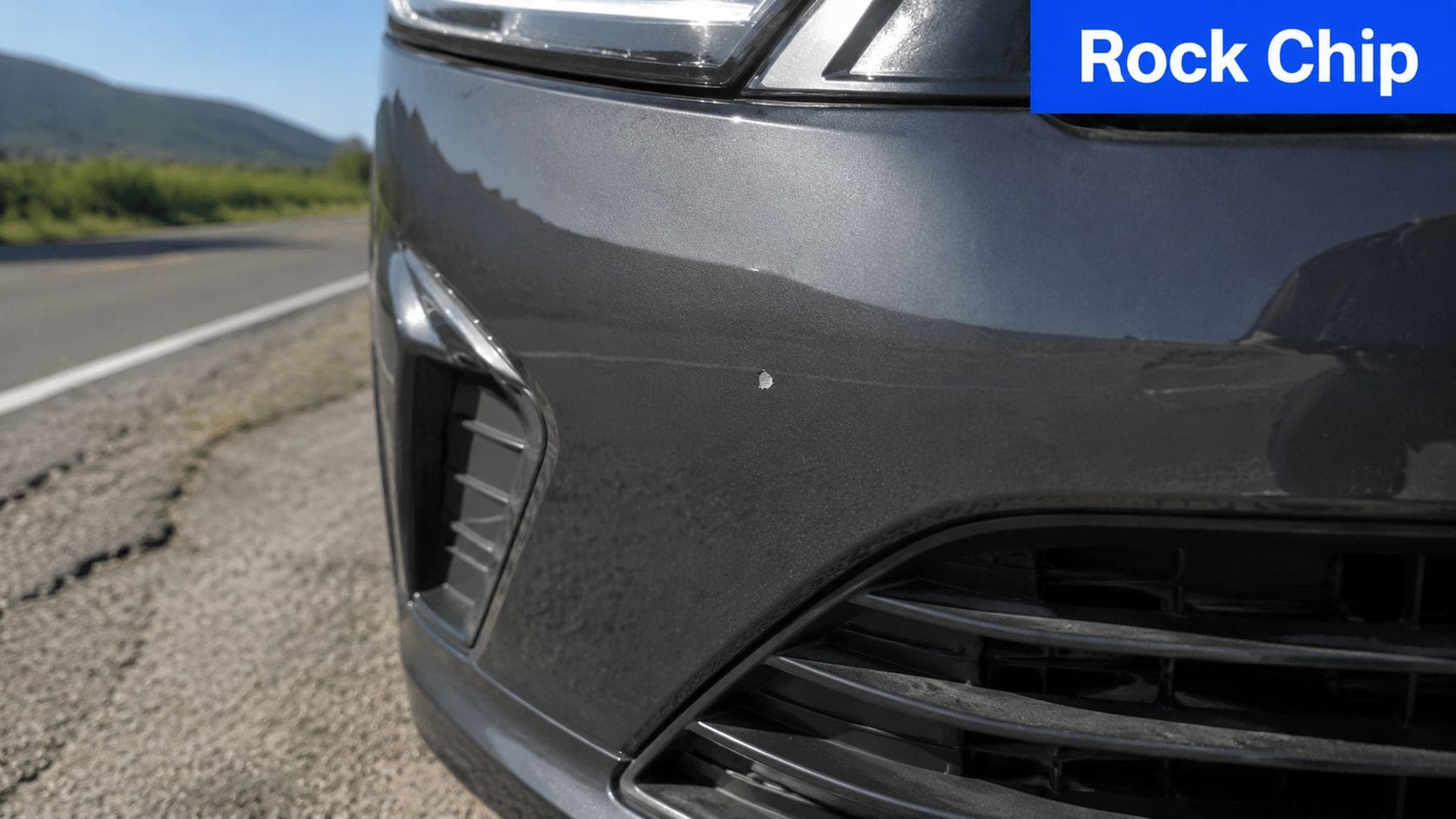
You merge onto I-270, traffic opens up, and for a minute you’re just enjoying the car. Then you hear it. A sharp thwack off the hood or bumper. You don’t even need to pull over to know what probably happened.
That sound ruins a lot of first weeks with a new car.
A single chip might look small, but it’s the start of the same cycle every owner hates. One mark becomes a few more. The front edge of the hood starts looking sandblasted. The bumper loses that clean, fresh look. If you care about resale, trade-in, or just keeping the car nice, it nags at you every time you wash it.
That’s why paint protection film has moved from a niche luxury add-on to a mainstream protection choice. The global PPF market is projected to grow to USD 1,549.4 million by 2030, which tells you a lot more drivers are deciding the protection is worth it for daily use, not just exotic cars (paint protection film market projection).
Practical rule: If you already know rock chips will bother you, it’s cheaper emotionally and cosmetically to protect the paint early than to keep repairing it later.
The simplest way to think of PPF is this. It takes the hit so your paint doesn’t have to.
But here’s where people get tripped up. They start searching for the best PPF brand and assume the answer is just a product comparison.
That is why the better question is not only what is the best PPF brand, but which brand makes sense for your vehicle, your driving habits, and the installer applying it.
It isn’t. The film is only half the system. The installer decides whether the edges stay down, whether the finish looks invisible, whether dirt gets trapped, and whether the car still looks sharp months later.
That installer gap is the difference between “I’m glad I did this” and “I paid good money for bubbles, lifted edges, and regret.”
What Exactly Is Paint Protection Film Anyway
A beginner-friendly explanation helps here, because PPF gets confused with wax, ceramic coating, and vinyl wrap all the time.
Paint protection film is a clear urethane film applied over painted surfaces to absorb abuse that would otherwise hit the paint itself. If a ceramic coating is like a slick rain jacket for your paint, PPF is the impact layer. It’s closer to a heavy-duty screen protector for your car than anything else.
What PPF actually does
PPF is there for the ugly stuff that happens in normal driving:
- Rock chips
- Light scratches
- Road rash on front bumpers
- Bug splatter and bird mess sitting on the surface
- Minor abrasion around high-contact areas like door cups and trunk ledges
A good film lets that damage happen to the film first, instead of directly to the clear coat.
Many modern films also have self-healing top layers. That means fine wash marring or light scuffs can relax and become less visible with heat. It’s one of those features people think sounds like marketing until they see it happen on a black hood.
What PPF is not
PPF is not a ceramic coating. A coating adds slickness, easier washing, and chemical resistance, but it doesn’t give you the same impact protection. PPF is also not a vinyl wrap. Vinyl changes color and style. PPF is about preserving the finish, though newer colored film options have started to blur that line.
If you want the cleanest beginner explanation of the differences, this breakdown on wax vs sealant vs ceramic vs PPF is worth reading before you spend money in the wrong category.
Most first-time owners don’t need more jargon. They need one clear answer. If your biggest fear is chips and physical damage, PPF is the protection you’re looking for.
Where it usually goes on the car
Some owners protect the whole vehicle. Others focus on the places that get hammered most often.
Common coverage options include:
- Full front package for bumper, hood, fenders, mirrors
- Partial front for basic highway protection
- Track pack areas like rocker panels and behind wheels
- High-contact spots like door cups, luggage strips, and pillars
- Full-body coverage for maximum preservation
Customers shopping Columbus PPF or Hilliard auto detailing services typically find the front of the car is where the value becomes obvious first. That’s where Ohio roads do their worst work.
The 4 Hallmarks of a High-Quality PPF Brand
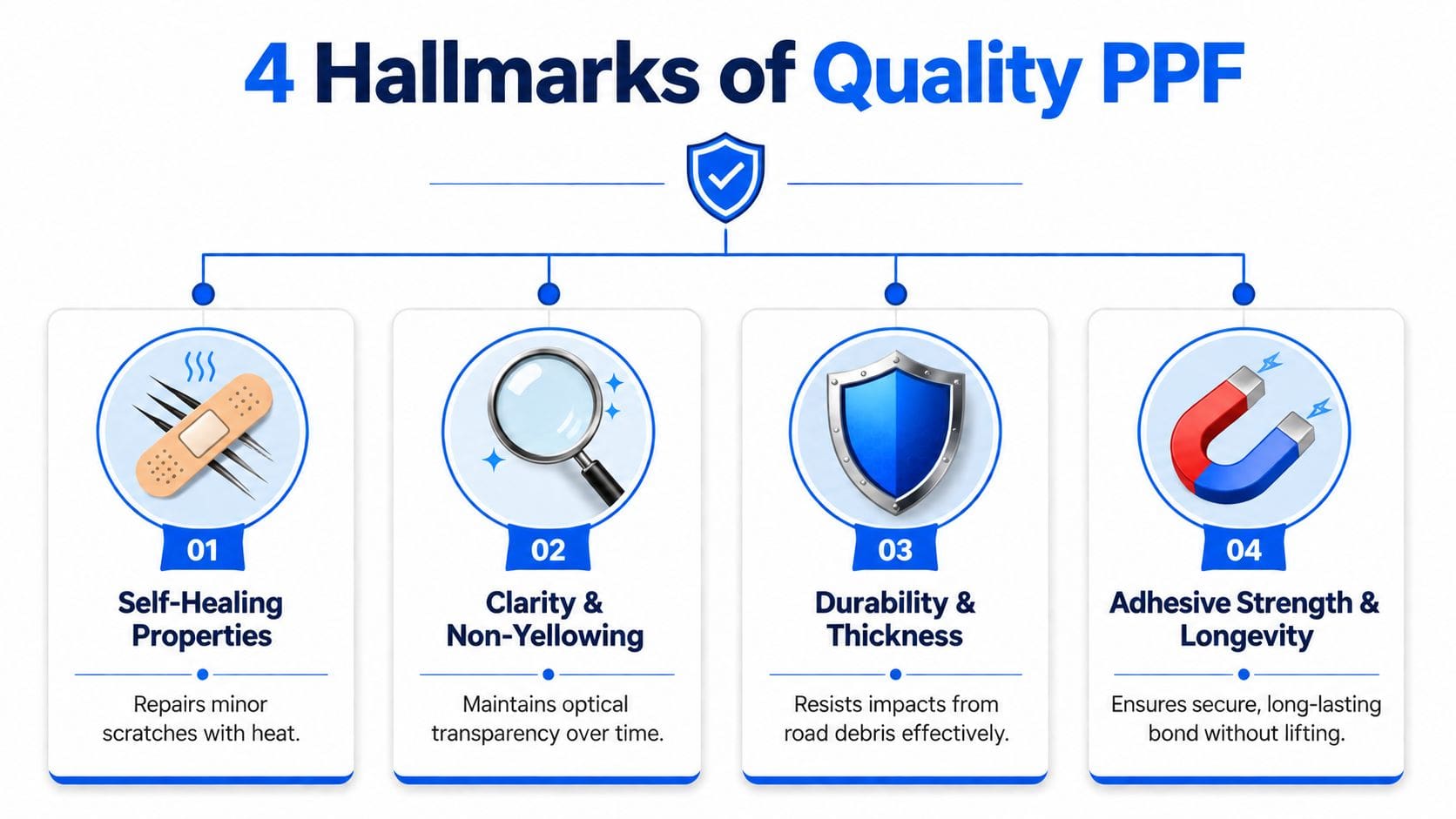
A lot of shoppers get stuck on brand names too early. The better question is simpler. Does the film hold up well, stay clear, recover from light wear, and come from a manufacturer that supports its product? After that, the installer decides whether those strengths appear on your car.
Durability and thickness
Film still has one job first. Take the hit so your paint does not.
Thickness matters because it affects how much abuse the film can absorb from road debris, sand, and everyday contact. But chasing the thickest number on a spec sheet usually leads people in the wrong direction. Some films are tougher to stretch and position around sharp curves, tight bumpers, and wrapped edges. In the hands of a weak installer, that can mean lifted edges, fingers, tension lines, or ugly seams on the very panels you wanted to protect most.
Good film needs to protect the paint and install cleanly. Those two things have to live together.
Self-healing behavior
Self-healing is what makes modern PPF feel different from the old stuff. Light wash marks and minor scuffs in the top layer can relax with heat from the sun, warm water, or a heat gun used correctly.
Used correctly matters here too. I have seen customers blame a brand for marks that were really installer damage, poor aftercare, or contamination trapped under the film. Self-healing helps with fine surface marring. It does not erase deep gouges, sharp impact damage, or bad prep work.
The phone screen protector comparison helps here. A good one hides daily wear better, but it still cannot fix a hard crack.
Optical clarity
Clarity separates premium-looking work from film that always looks like film. On white paint, a weaker film may still pass. On black paint, dark blue, or a flat hood under shop lights, every flaw gets exposed fast.
The film needs to stay clear, resist haze, and lay down without a cloudy look. The install matters just as much. Dust nibs, silvering, stretched edges, and trapped moisture can make a quality film look cheap. Polishing also matters before installation. PPF preserves what is under it. If the paint is already swirled or contaminated, the film will faithfully lock that in.
That is why two cars with the same brand of PPF can look completely different leaving two different shops.
Good PPF should disappear into the paint, like a clean screen protector installed perfectly on a new phone.
Warranty and brand support
A solid warranty matters because it shows the manufacturer is willing to stand behind the film if it yellows, cracks, or develops adhesive problems under normal use. What it usually does not cover is poor workmanship.
That distinction matters more than shoppers expect. If a bumper is cut badly, edges start lifting, or contamination was trapped during install, the brand may not be the one paying to fix it. The shop’s policies, skill level, and willingness to stand behind its work carry just as much weight as the manufacturer’s paperwork.
Read the warranty with real-world expectations:
- Manufacturer coverage usually applies to defects in the film itself
- Shop workmanship coverage applies to trimming, adhesion, edges, and finish quality
- Replacement results still depend on who removes and reinstalls the panel
- Long warranty terms sound good, but only if the installer will still answer the phone
Brand matters. Installer skill matters more. That is the gap many online guides skip, and it is where good PPF jobs separate themselves from expensive disappointments.
So when someone asks for the best PPF brand, the honest answer is that XPEL, STEK, and SunTek can all perform well when they are installed correctly by a skilled shop.
A Pro’s Take on Today’s Top PPF Brands
Customers usually walk in asking for a brand name. After a few minutes of talking through how they drive, what they expect the finish to look like, and who is doing the work, the conversation gets more honest.
XPEL, STEK, and SunTek are all legitimate choices. None of them can rescue a rushed install on a complex bumper or a poorly prepped hood.
PPF Brand At-a-Glance Comparison 2026
| Brand | Key Strength | Standard Thickness | Warranty | Cost Tier |
|---|---|---|---|---|
| XPEL Ultimate Plus | Clear finish and proven self-healing reputation | 8-mil class | 10-year | Premium |
| STEK | Premium appearance and strong enthusiast following | Premium-grade film | 10-year class | Premium |
| SunTek Ultra | Strong value for the money | 8-mil class | 10-year class | Upper mid-tier |
XPEL
XPEL is the brand many buyers ask for first, and I understand why. It has strong name recognition, a large installer network, and a long track record on everything from daily drivers to six-figure cars.
On the car, XPEL usually appeals to owners who care about a clean, nearly invisible finish and want the comfort of choosing a brand with broad market acceptance. It is often the safe pick for a new BMW, Porsche, Audi, or Tesla where the owner does not want to second-guess the decision later.
The trade-off is price. If the budget gets tight, I would rather see a customer buy wider front-end coverage from a skilled shop than shrink the coverage area just to say they picked the most talked-about film.
STEK
STEK has earned a loyal following with enthusiasts for good reason. It often comes up with customers who have already researched film options and want something premium without automatically defaulting to the biggest name.
I have seen STEK look excellent on darker paint when the install is clean and the panel prep is right. That last part matters. Dark colors show silvering, trapped debris, and edge tension faster than light colors do, so the installer gap becomes obvious quickly.
STEK fits buyers who want a premium film, like the way it finishes out, and are working with a shop that installs it regularly instead of occasionally.
SunTek
SunTek is the brand practical buyers should look at more seriously. On a commuter, family SUV, or pickup that sees real miles, it often makes the budget work without dropping into bargain-film territory.
That matters on larger vehicles. A truck with a big hood, tall front end, and wide fenders can eat up material fast, so the smarter move is often good film with more complete coverage. Owners comparing options for pickups and SUVs usually benefit from reviewing PPF coverage ideas for truck fender protection before picking a brand purely on hype.
If a customer tells me, “I drive this every day and I want solid protection without overspending,” SunTek usually stays in the conversation.
The installer gap that changes the whole conversation
This is the part online brand roundups usually miss. Once you are comparing upper-tier films, the install quality often has more impact on the final result than the logo on the box.
A clean install shows up in the details. Edges sit flat. Stretch marks are controlled. Wrapped areas stay put around corners and recesses. The film lays down like a properly installed phone screen protector, not one with lint trapped under it and peeling corners by the second week.
Poor work looks the same across brands. You see contamination, fingers near edges, cut marks in paint, lifted corners on bumpers, and tension failure around mirror caps. Customers blame the film first, but the root problem is often prep, trimming, or technique. Industry commentary from UPPF makes the same point in its discussion of common PPF brand comparisons and installer-related failures.
So which brand do I trust? I trust the shop first. Then I pick the film that matches the car, the budget, and how the owner drives. A very good installer working with XPEL, STEK, or SunTek can produce an excellent result. An average installer can turn any of them into an expensive lesson.
Which PPF Is Best for Your Car and Driving Style
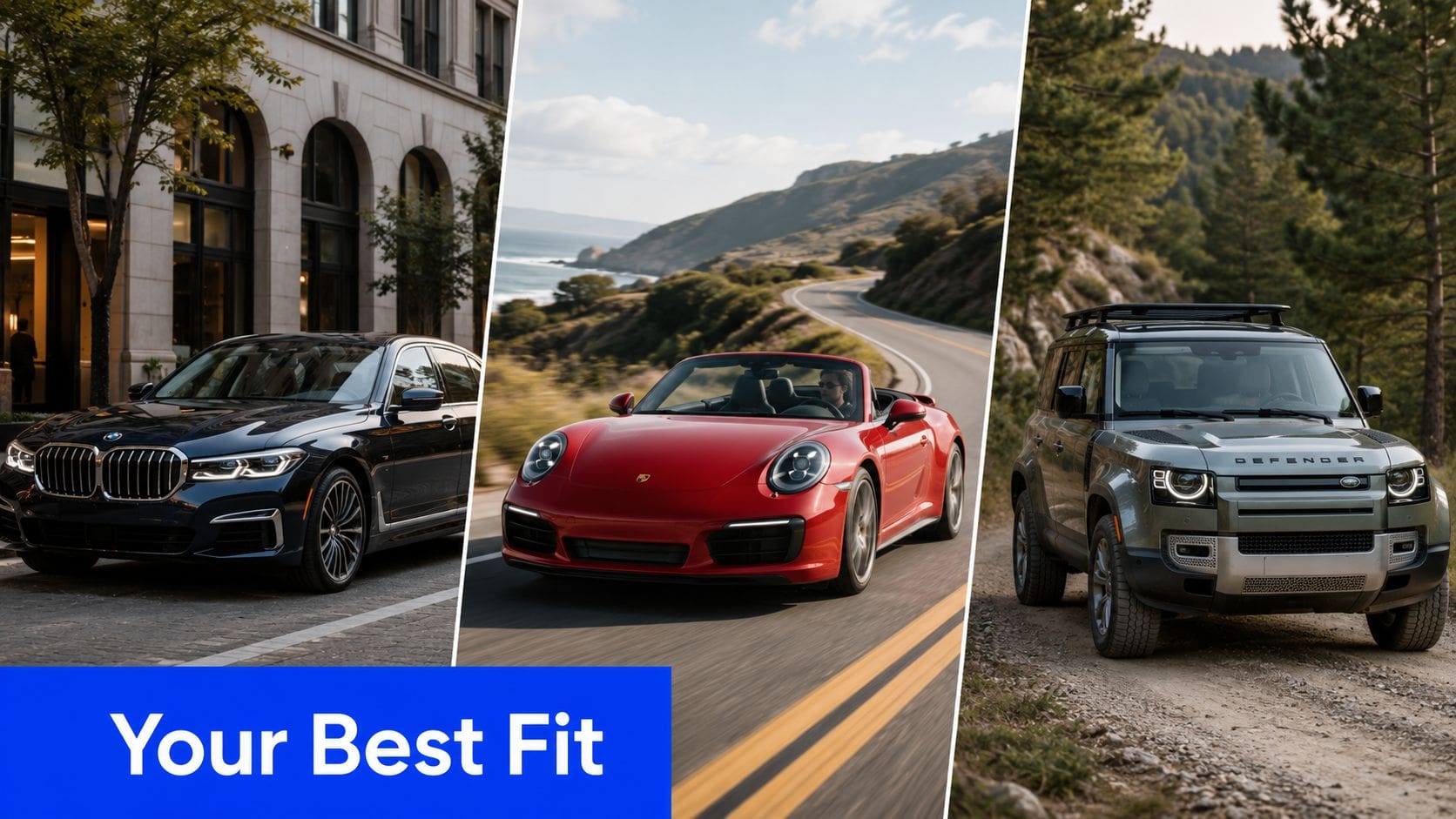
The best film for a black Audi that gets pampered in a garage isn't always the best film for a Honda CR-V that lives on outer-belt commutes and grocery runs. Matching the film to the use case saves money and regret.
The daily commuter
If you drive a CR-V, RAV4, Model Y, F-150, or similar daily vehicle around Columbus, your biggest enemy is routine road abuse. Gravel, slush, highway debris, and parking lot contact add up fast.
For this owner, I'd lean toward a strong-value premium film like SunTek, especially if the choice is between broader coverage from a good installer or a smaller package from a pricier brand. Full front protection on a commuter usually delivers more satisfaction than bragging rights over film branding.
A smart approach for commuters:
- Prioritize coverage area over chasing the most hyped name
- Protect mirrors and bumper first because they get hammered
- Add rocker or lower door coverage if your route throws a lot of debris
The luxury or show car owner
If you just bought a new Audi, BMW, Porsche, Range Rover, or a weekend car you baby, XPEL often justifies its premium. That benchmark reputation for clarity and finish quality matters more when the owner notices every reflection and every edge.
This is also the buyer most likely to consider newer customization options. XPEL's COLOR PPF line, launched in late 2025, offers 2 to 3 times thicker protection than traditional vinyl wraps plus a 10-year warranty, which makes it a real option for owners who want both style change and heavy-duty protection (colored PPF market note).
If you own a truck or SUV and you're also comparing vulnerable body areas, these examples of fender protectors for trucks can help you think through high-impact zones beyond the usual hood-and-bumper conversation.
The weekend track enthusiast
Track use changes the discussion. You're exposing the car to higher speeds, sticky tires throwing debris, and more concentrated abuse in specific areas.
For this driver, I'd choose based on installer confidence first, then film. A shop that regularly wraps aggressive front bumpers, side skirts, and track-exposed panels is more valuable than a brand list. The best result usually comes from a premium film with a technician who understands where tension, heat, and repeated abuse show up first.
Areas track drivers should care about most:
- Front bumper and hood
- Headlights
- Rocker panels
- Rear quarter impact zones behind wheels
- A-pillars and mirror caps
If your driving style is harsher than average, the right coverage map matters as much as the right brand.
Simple Steps to Care for Your New Paint Protection Film
A clean install can last a long time, but only if you don't beat it up with bad maintenance. PPF is durable, not indestructible. Treat it like a premium surface, not a work boot.
What to do right after installation
Fresh film needs time to settle. Your installer will usually give you aftercare instructions, and those matter. In the early period, don't start poking edges, testing corners, or scrubbing at moisture you see under the film unless the installer specifically tells you to.
Small visual changes right after install can be normal while things settle. The wrong move is trying to “fix” them yourself.
A simple rule is to leave it alone, keep it clean, and let the shop handle anything that looks questionable.
How to wash it without shortening its life
Washing is where owners either preserve the finish or slowly grind it down.
Use safe methods:
- Rinse thoroughly first so grit isn't dragged across the film
- Use a quality pH-balanced soap instead of harsh degreasers
- Wash with clean microfiber mitts instead of rough sponges
- Dry with soft microfiber towels or filtered air to reduce marring
- Keep bug splatter and bird droppings from baking on because neglect is harder on film than gentle washing
If you like hand washing, the two-bucket method is still one of the easiest habits to keep dirt from becoming scratches.
What to avoid
The fastest ways to ruin a nice film job are usually simple:
- Automatic brushes because they grind contamination into the surface
- Aggressive compounds or polishes unless the installer says they're film-safe
- Harsh chemicals that can dull top coats or stress edges
- Pressure washing too close to edges which can encourage lifting
- Picking at corners even if you're “just checking”
For light surface marks, warmth often helps the film recover. Warm water, sunlight, or mild heat can allow a self-healing top layer to relax. Just be gentle. If a mark looks deep, don't cook the panel with random heat tools from the garage.
Clean film lasts longer. Abused film tells on the owner long before it tells on the brand.
Finding a Trusted PPF Installer in Columbus Ohio
If you're searching for Columbus PPF, Hilliard paint protection film, or Hilliard auto detailing, the installer should be your main filter. Brand is part of the decision. Shop discipline is the bigger one.

What to look for in a shop
A trustworthy installer usually gives themselves away before the first panel is touched.
Look for signs like these:
- A clean install space because dirt in the bay often ends up under the film
- A strong portfolio with close-up shots, not just far-away glamor photos
- Tight, tucked edges rather than obvious cut lines and exposed borders
- Experience with your type of vehicle because some bumpers and trims are far more difficult than others
- Clear explanation of coverage options instead of pushing one package on everyone
A good shop should also be comfortable talking through trade-offs. If you ask about XPEL, STEK, or SunTek, they should be able to explain why they recommend one for your use case, not just say “this is the best.”
Questions worth asking before you book
You don't need to interrogate the shop. Just ask practical questions.
- What film do you install most often, and why?
- Do you use pre-cut patterns, bulk install methods, or both?
- How do you handle edges and tight corners?
- What does your warranty cover versus the manufacturer warranty?
- Can I see close-up photos of finished work?
If you're comparing local options, it also helps to review a dedicated Columbus Ohio paint protection film service page so you know what a proper PPF package should include before you start calling around.
For anyone weighing Columbus ceramic coating, Hilliard ceramic coating, and PPF together, remember the job of each product is different. PPF handles impact. Coating helps with maintenance and surface behavior. The right installer will explain where each one fits instead of pretending one product does everything.
If you want help sorting through film options, coverage packages, or whether PPF even makes sense for your vehicle, Lionheart Detailing can walk you through it without the pressure. Whether you're looking for paint protection film, ceramic coating, or full Hilliard auto detailing in the Columbus area, the goal is simple. Protect the car the right way the first time.
FAQ’s
There isn’t a single “best” paint protection film brand for every vehicle. The right choice depends on factors such as optical clarity, self-healing technology, durability, warranty coverage, and the quality of the installation. Choosing a premium film installed by an experienced professional is more important than selecting a brand based on name recognition alone.
Yes, but the installer matters just as much. Premium paint protection films offer similar high-end performance, while proper installation determines how well the film fits, adheres, and performs over time. A professionally installed premium film delivers the best long-term results.
When comparing paint protection film brands, consider:
- Optical clarity
- Self-healing technology
- Resistance to staining and yellowing
- Hydrophobic performance
- Long-term durability
- Warranty coverage
- Professional installation quality
These factors have a greater impact on overall performance than simply choosing the most popular brand.
Yes. Paint protection film is designed to help protect vehicle paint from rock chips, road debris, bug splatter, and everyday driving hazards. While no film can eliminate every type of damage, PPF provides one of the highest levels of exterior paint protection available.
Many premium paint protection films include self-healing technology that helps light surface scratches and swirl marks disappear when exposed to heat. This helps the film maintain a smooth, glossy appearance over time.
Modern premium paint protection films are designed with improved stain and yellowing resistance. Choosing a high-quality film and having it professionally installed helps maintain long-term clarity and appearance.
The lifespan of paint protection film varies depending on the specific product, driving conditions, maintenance, and manufacturer warranty. Premium films are designed to provide long-term protection when properly installed and maintained.
Paint protection film and ceramic coating serve different purposes. Paint protection film provides physical protection against impacts like rock chips and road debris, while ceramic coating enhances gloss, adds hydrophobic properties, and makes routine maintenance easier. Many vehicle owners choose both for comprehensive protection.
Maintain paint protection film by washing the vehicle regularly using proper automotive washing techniques and quality car-care products. Routine maintenance helps preserve the film’s appearance and allows it to continue protecting the paint for years.
Lionheart Detailing provides professional paint protection film installation in Columbus, Ohio. Their approach focuses on helping customers choose the right protection solution based on their vehicle, driving habits, and long-term ownership goals rather than simply recommending a single PPF brand.