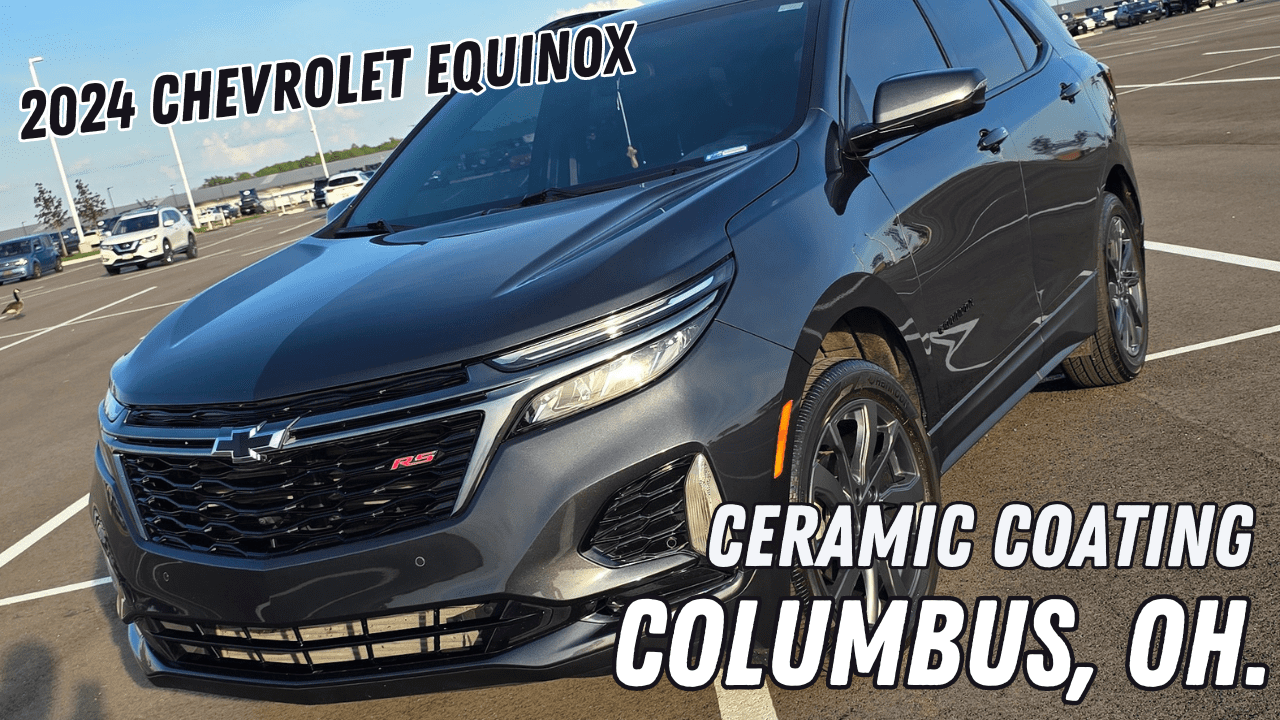
Ohio drivers know how brutal summer sun can feel on I-270, Route 33, and neighborhood streets from Hilliard to New Albany. The biggest reason many people tint their windows isn't looks alone. High-quality automotive window tint can block up to 99% of harmful UV rays, which is a major health and interior-protection benefit according to Mobile Tint & Audio's explanation of heat and UV blocking.
That's the kind of number that gets attention fast, especially if your car spends long days outside at work, school, the gym, or a downtown Columbus parking lot. Window tinting is more than a styling upgrade. Done properly, it can improve comfort, reduce glare, add privacy, help protect the cabin, and fit into a bigger long-term protection plan that may also include Hilliard ceramic coating, Columbus ceramic coating, Columbus PPF, or Hilliard paint protection film.
At Lionheart Auto Detailing & Protection, we talk with a lot of first-time customers who are searching for ceramic coating near me or asking about tint because they want one practical upgrade that makes daily driving better. Tint is often that first step. It's one of the easiest ways to make a vehicle feel more comfortable and better protected without changing how you use it.
Let's get into the advantages of window tinting for Ohio drivers, with plain-English guidance, local law notes, and honest expectations.
Table of Contents
- 2. Enhanced UV Protection and Prevention of Interior Fade and Deterioration
- 2. Enhanced UV Protection and Prevention of Interior Fade and Deterioration
- 3. Increased Privacy and Reduced Interior Visibility from Outside
- 4. Glare Reduction and Improved Daytime Driving Comfort and Safety
- 5. Enhanced Vehicle Safety Through Shattered Glass Containment and Impact Resistance
- 6. Long-Term Cost Savings Through Reduced HVAC Strain and Extended Interior Component Lifespan
- 8. Seamless Professional Installation and Aesthetic Enhancement of Vehicle Appearance
- 8. Seamless Professional Installation and Aesthetic Enhancement of Vehicle Appearance
- Top 8 Advantages of Window Tinting
- Ready to Upgrade Your Ride?
2. Enhanced UV Protection and Prevention of Interior Fade and Deterioration
Up to 99% of UV rays can be blocked by quality automotive window film, according to 3M's overview of automotive window film benefits. For Ohio drivers, that matters every day, not just in peak summer, because UV exposure keeps working through side glass during commutes, school pickups, and long hours in open parking lots.
A lot of first-time buyers focus on how dark the tint looks from outside. Interior protection is often the bigger long-term win.
Why fade happens faster than many Ohio owners expect
Sun damage works like leaving patio furniture outside year after year. The color goes first. Then the surface dries out. After that, cracking, brittleness, and warping start to show.
Your vehicle interior ages in the same pattern. Leather loses oils and gets stiff. Vinyl and plastic turn dull or chalky. Dark trim can shift to a faded gray. Adhesives and soft-touch finishes also break down over time, especially on dashboards and door tops that spend hours facing direct sun.
The effect is easy to underestimate in Ohio because the problem builds across all four seasons. A car parked outside in Columbus, Dublin, or Hilliard gets summer UV, winter glare bouncing off snow, and plenty of shoulder-season sun during workday parking.
What window tint is actually protecting
Quality tint helps protect more than the seats. It reduces UV exposure on the dashboard, center console, door panels, steering wheel, and any child seats or gear left inside regularly.
That matters because replacement costs add up fast. A faded leather seat bolster might be a cosmetic annoyance. A cracked dash or peeling trim panel is a much more expensive repair, and it can make an otherwise clean vehicle feel older than it is.
The Skin Cancer Foundation notes that window film can block up to 99% of UV radiation, which helps explain why interior materials hold up better with the right film installed. Less UV exposure means less breakdown of dyes, coatings, and surface binders.
Ohio law matters here too
Ohio tint law is usually discussed in terms of visible light transmission, but the practical takeaway is simple. You do not need the darkest legal film to get strong UV protection. A lighter, legal film can still do a lot of the protective work if the product itself is high quality.
That point clears up a common misunderstanding. Darkness affects appearance and visible light. UV rejection depends on the film technology.
So if you want to preserve a tan leather interior in a daily-driven SUV, or keep a black dashboard from drying out in a work truck, the better question is not "How dark should I go?" It is "Which film gives me strong UV protection while staying within Ohio rules?"
How Lionheart makes this benefit more useful in real life
At the shop level, this is where product choice and the rest of the protection plan matter. Lionheart can match window tint with interior detailing, leather treatment, and exterior protection services so the cabin does not just block more sun. It also starts from a cleaner, better-conditioned baseline.
That combination is practical. Tint slows future UV wear. Interior care helps restore moisture and finish on surfaces that already have some age. If the vehicle also gets paint protection or ceramic coating service, the whole car holds its appearance better instead of having a protected cabin inside a neglected exterior.
Practical advice before you choose a film
Ask three questions before installation:
- How much time does the car spend outside during the workday? A vehicle parked in an open lot needs stronger sun management than one kept in a garage.
- Which materials are you trying to protect? Leather, piano black trim, soft-touch plastics, and large dashboards all age differently.
- Do you want a lighter legal look or a darker appearance? You can still get strong UV blocking without pushing for the darkest film.
For many Ohio drivers, the smartest setup is a film that stays compliant, blocks high levels of UV, and pairs well with routine interior maintenance. That gives you a cabin that looks newer longer, feels better cared for, and holds resale appeal more effectively than untreated glass alone.
2. Enhanced UV Protection and Prevention of Interior Fade and Deterioration
A lot of people think window tint is about darkness. The bigger value is often invisible. UV protection matters far more than most first-time buyers realize, especially if the car sits outside at work every day.
Professional window tinting can block 99% of harmful ultraviolet rays, including UVA and UVB, according to Mint Tint's write-up on major reasons to tint car windows. That matters for your skin during daily driving, and it matters for every surface inside the vehicle that bakes under sunlight year after year.
Before this section, here's the interior protection image that fits what customers usually notice first.
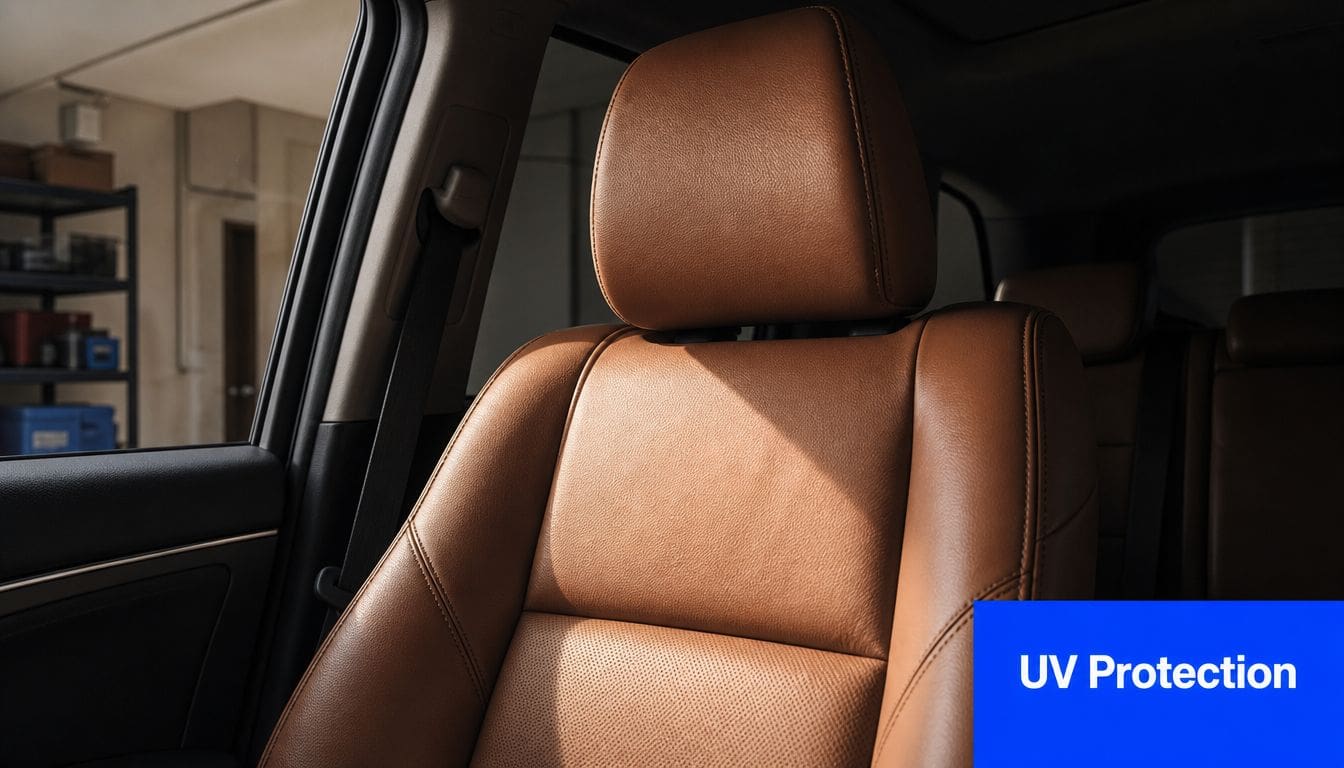
Why fade happens faster than most owners expect
Leather dries out. Plastic gets chalky. Black trim starts looking gray. Dashboards can warp or crack over time. Even if you garage the vehicle at night, a daily commute plus parking lot exposure adds up.
One detail many owners overlook is how hard UV is on interior materials. The same Mobile Tint & Audio source cited earlier explains that blocking UV helps prevent fading, cracking, and warping of materials like leather seats, dashboards, and upholstery, and those materials can degrade by up to 50% faster without protection, as described in their overview of automotive tint performance. If you've ever seen two similar cars from the same era where one has a dry, faded cabin and the other still looks fresh, window exposure is often a big reason.
In Ohio, this shows up a lot on vehicles with black interiors, large windshields, and side windows that catch late-afternoon sun. It's especially noticeable on family SUVs, trucks, and luxury vehicles with leather and soft-touch trim.
Good tint doesn't just make the cabin darker. It gives the interior a shield that works every time the sun hits the glass.
How to stretch interior life
The best approach is layered protection. Tint does one part. Your maintenance routine does the rest.
Here's what I recommend to new owners:
- Tint all major glass areas that are legal to tint: Side and rear windows matter because passengers and trim in those zones take repeated sun exposure.
- Use interior-safe protection products: Leather conditioners and interior protectants can help surfaces stay cleaner and less dry over time.
- Keep expectations realistic: Tint slows damage. It doesn't make neglected leather heal itself.
- Add interior detailing to the plan: If you already have light fading, cleaning and conditioning can improve appearance before it gets worse.
This is one reason people who come in for Hilliard auto detailing often ask about bundling interior work with tint. It's a smart pairing, especially for newer vehicles you plan to keep.
3. Increased Privacy and Reduced Interior Visibility from Outside
Privacy is one of the most immediate advantages of window tinting because you notice it the same day you drive away. If someone walks past your vehicle in a grocery lot in Dublin or Short North parking garage, they can't see as much inside when the film is chosen correctly.
That matters for more than appearance. It helps if you carry work bags, tools, kids' gear, or shopping bags. It also makes the cabin feel less exposed when you're stopped at an intersection or waiting in a school pickup line.
Before we get into the practical side, here's the kind of visual result many drivers are after.
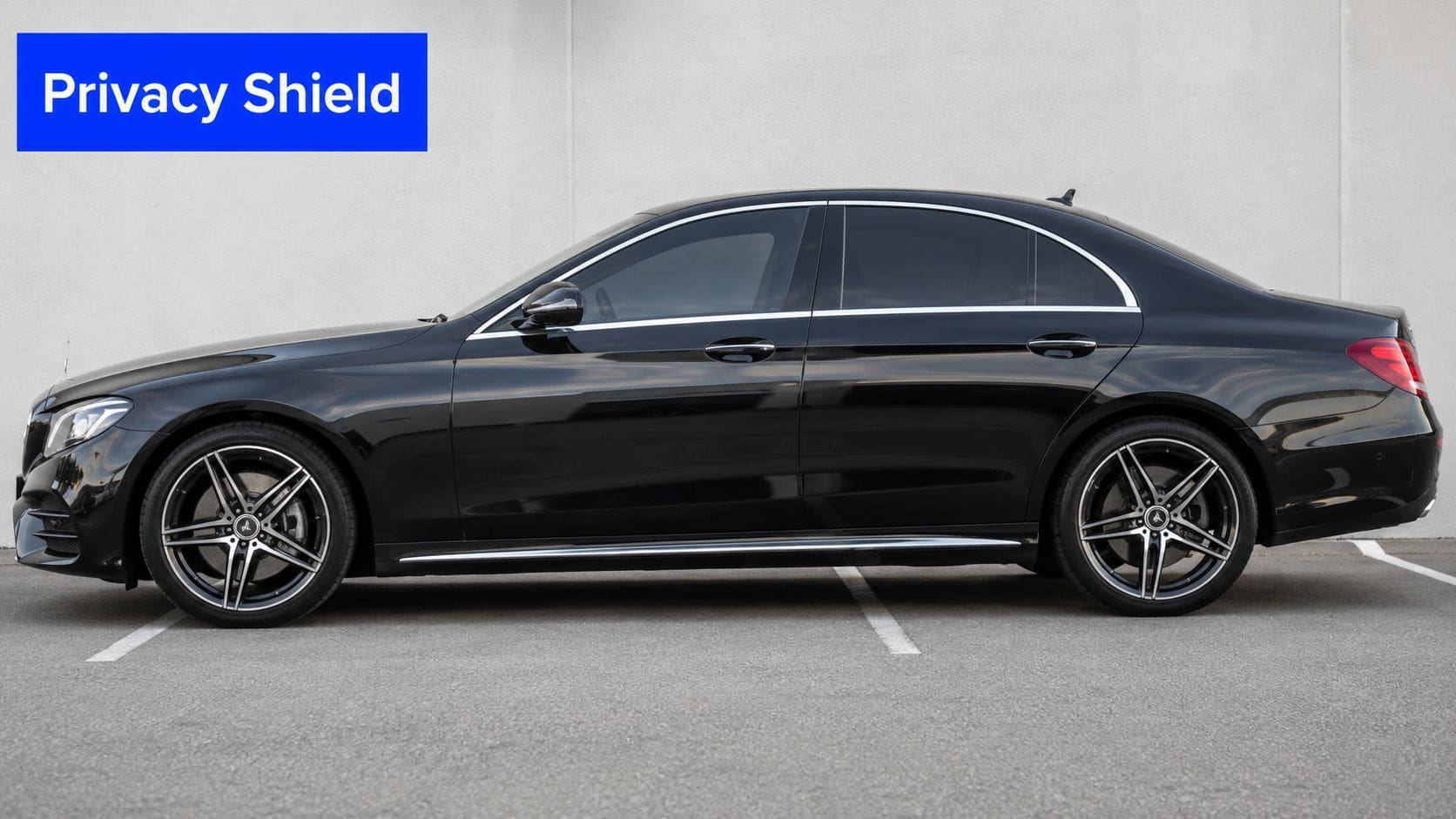
Privacy matters differently for different drivers
Parents usually want rear-seat privacy. Business owners often want equipment and bags less visible. Luxury vehicle owners tend to want a cleaner, more discreet look that doesn't put the cabin on display.
For an Ohio daily driver, privacy tint can be especially useful if you park outdoors in apartment lots, downtown garages, or workplace lots where people regularly pass close to your car. Even a moderate shade can make the interior less inviting to opportunistic attention.
A realistic example is the parent driving through Columbus with backpacks, sports gear, and electronics in the rear seat area. The goal isn't to make the car invisible. It's to stop casual visibility from turning your cabin into an easy target.
Know the legal side before you choose darkness
Many people encounter bad advice online. They ask for “the darkest legal tint” without checking the actual rule that applies to their vehicle type and windows.
A Florida-based legal example discussed in Braman Bentley's article on tint pros, cons, and legal limits shows how exact visible light transmission limits and penalties can be, including fines that can exceed $500 per window in that jurisdiction. The lesson for Ohio drivers is simple. Don't guess. Check current Ohio rules and ask your installer to explain what's legal for your specific vehicle.
- Ask about front-side legality first: That's usually where drivers get in trouble.
- Understand the difference between privacy glass and aftermarket film: They aren't the same thing.
- Choose non-flashy film: A clean ceramic look usually draws less attention than overly reflective film.
- Think about night driving: Privacy should never come at the cost of you feeling unsafe after dark.
At Lionheart, experience matters. A professional installer should help you choose a setup that looks sharp, works for your lifestyle, and doesn't create a legal headache later.
4. Glare Reduction and Improved Daytime Driving Comfort and Safety
Some benefits of tint show up slowly. Glare reduction shows up on the first sunny drive. If you've ever driven east in the morning toward Columbus or west in the evening with sunlight bouncing off traffic, pavement, and glass buildings, you know how tiring that gets.
Window film helps soften that intensity so your eyes aren't constantly adjusting. For many drivers, that means less squinting, less fatigue, and a calmer drive, especially during long commutes or winter days when reflected light off snow gets harsh.
Before the advice, here's the kind of everyday driving situation where this benefit stands out.
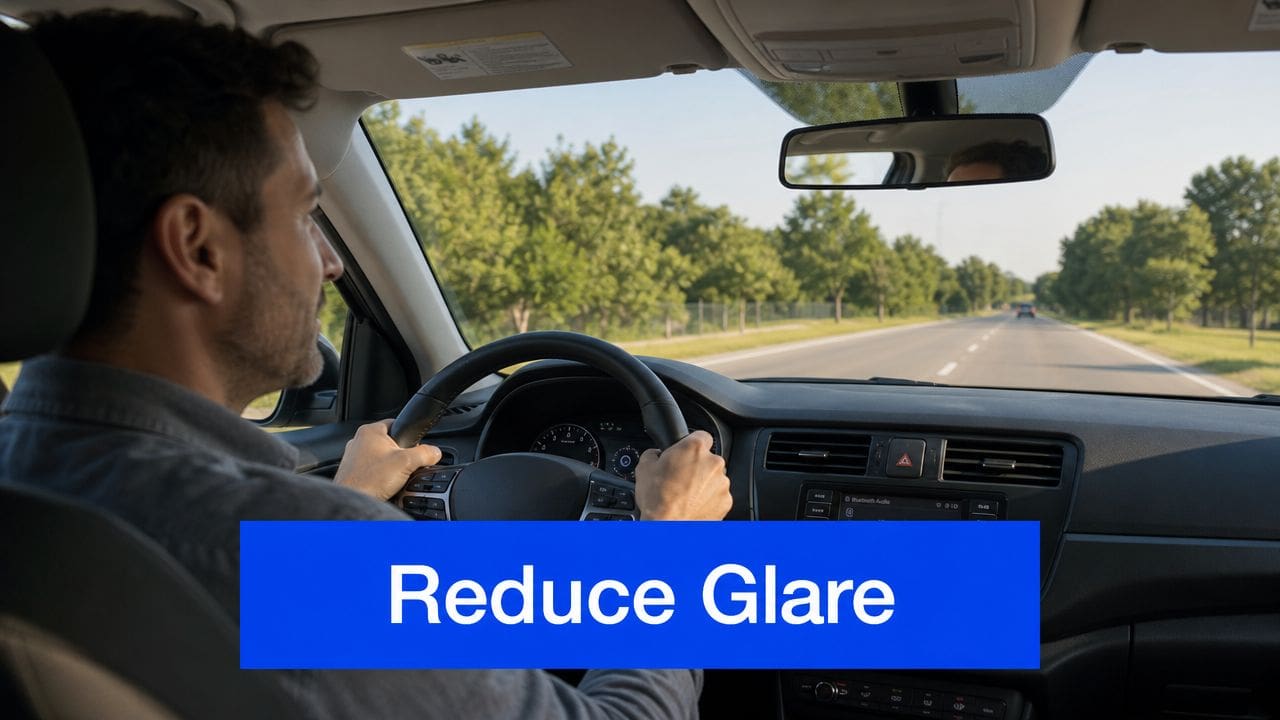
Where Ohio glare shows up most
Drivers around Columbus deal with several glare patterns that make tint worth considering:
- Low-angle sunrise and sunset: Commutes on open roads can become uncomfortable fast.
- Snow reflection in winter: Bright days can feel much harsher when light bounces up from the road.
- Large side-window exposure: SUVs, trucks, and glass-heavy vehicles let in more side light.
- Headlight splash from the rear and sides: Even if tint isn't a cure-all, it can make evening driving feel less visually busy.
Premium films also help preserve visibility without creating the muddy or hazy look people associate with poor-quality tint.
On vehicles with panoramic glass, glare control can matter as much as heat control.
Best setup for everyday visibility
The best glare-reduction setup usually isn't the darkest one. It's the one that keeps the visual tone natural and even.
I usually suggest thinking about these points:
- Pick a film with optical clarity: Cheap film can reduce glare but still look distorted.
- Balance front and rear darkness: A setup that's too dark in the wrong places can hurt nighttime confidence.
- Consider roof glass separately: Panoramic roofs and sunroofs often need their own strategy because overhead sun feels different from side-window sun.
- Test your own routes: A driver heading into sunrise every morning has different needs than a weekend-only vehicle.
If your vehicle has a large glass roof, Lionheart's article on tinting sunroofs and panoramic roofs is worth reviewing before you choose film.
5. Enhanced Vehicle Safety Through Shattered Glass Containment and Impact Resistance
Tint isn't the same thing as a dedicated security film, but it can still add a useful layer of protection. When glass breaks, the film may help hold shattered pieces together instead of letting them scatter as freely into the cabin.
That can matter in smaller impacts too, not just major crashes. Road debris, parking lot incidents, and accidental strikes from objects can all create broken or cracked side glass.
What tint can and can't do in a breakage event
I like to be direct about this with customers. Standard automotive tint is not a magic shield. It won't turn your windows into vault glass, and it won't replace proper safety engineering in the vehicle itself.
What it can do is add a bonded layer on the glass. If a side window breaks, that layer may help contain fragments and reduce how messy or dangerous the break becomes inside the cabin. For families, that added containment is one of those benefits you hope you never need.
A practical local example is the family SUV that spends its week in school pickup lines, grocery lots, and highway traffic. It's exposed to all kinds of low-level risk, from loose debris to careless carts and accidental impacts. A good tint job adds one more protective layer without changing how the vehicle looks or drives.
When to ask about a stronger film solution
Not every driver needs more than standard tint, but some do.
Consider asking about a stronger film approach if:
- You carry children often: Extra containment is a reasonable priority for family vehicles.
- You manage work vehicles: Vans and service vehicles face more glass exposure from daily use.
- You park in higher-risk areas: Urban lots and long unattended parking periods increase exposure.
- You want layered protection: Tint, alarm systems, cameras, and smart parking habits work better together than any one feature alone.
Standard tint can help hold broken glass together. If security is your main goal, ask specifically about thicker safety-oriented film options.
For customers already investing in Columbus PPF or other protection services, this safety conversation fits naturally into the same planning process.
6. Long-Term Cost Savings Through Reduced HVAC Strain and Extended Interior Component Lifespan
Tint usually gets sold on comfort and appearance. Cost savings are quieter, but they matter over time. You may not notice them in one month, but you often notice them across years of ownership.
If the cabin stays more manageable in summer, the AC system doesn't have to fight as hard every hot afternoon. If UV exposure is reduced, trim, leather, and plastics usually stay in better shape longer. That changes the ownership experience, especially if you keep vehicles beyond the first few years.
Where the savings usually show up
The biggest cost areas are usually indirect:
- Less punishment on the interior: Dashboards, seats, trim panels, and steering wheels age more gracefully.
- Less dependence on max AC right away: The system may not need such aggressive cooldowns every trip.
- Better resale presentation: Buyers notice clean glass, cleaner trim, and a cabin that hasn't been sunbaked.
- Fewer appearance-related corrections later: You may avoid some restoration work that comes from prolonged UV damage.
For Ohio drivers who keep a vehicle outside at work all week, this is one of the strongest arguments for tint. It's also why tint often pairs well with Columbus ceramic coating or Hilliard ceramic coating. One protects the glass experience and cabin. The other protects painted surfaces and helps simplify washing.
A good example is the owner of a newer truck or SUV who wants to keep it for many years. That person usually isn't trying to save money tomorrow. They're trying to avoid a worn-out interior and a tired-looking vehicle later.
How to make tint pay off longer
If you want the value side of tint, don't stop at the installation itself.
Use these habits:
- Keep records: Save your tint invoice and care instructions for resale and warranty reference.
- Clean windows properly: Soft towels and tint-safe cleaners preserve clarity and edge adhesion.
- Maintain the interior too: Regular cleaning and conditioning support what the tint is already helping protect.
- Bundle protection when it makes sense: Tint plus detailing, paint protection film, or ceramic coating can reduce the need for correction work later.
For buyers searching ceramic coating near me, this is often the turning point. They realize protection works best when it's planned as a system, not purchased one piece at a time with no strategy.
8. Seamless Professional Installation and Aesthetic Enhancement of Vehicle Appearance
A quality tint job should look factory-finished, not added later. That is the visual difference new owners notice right away. The glass looks cleaner, the body lines read more clearly, and the whole vehicle feels more intentional.
That appearance upgrade matters in Ohio, where bright summer sun, gray winter skies, road film, and salt residue can make glass look flat or messy fast. A well-chosen film helps the windows look consistent across the vehicle instead of drawing attention to clear front glass, uneven shade, or poor edge work. On a stock commuter, that can make the car look newer. On a truck, SUV, or performance car, it often gives the body a more balanced look.
Why installation quality changes everything
Film quality matters, but installation decides whether the result looks clean after the first week, the first winter, and the first hot Ohio summer. A rushed job often shows the same problems. Dust trapped under the film, crooked edges, fingers near the corners, haze, or gaps that catch your eye every time the sun hits the glass.
Professional installation works like custom-fit clothing. The material can be excellent, but fit determines whether it looks right. On modern vehicles with tighter trim, curved rear glass, and sensors near the windshield area, careful prep and precise shrinking make the difference between a polished result and one that always looks slightly off.
At Lionheart Auto Detailing & Protection, that usually means thorough glass cleaning, controlled cutting, proper film shrinking, and edge finishing that suits the vehicle instead of forcing a generic template onto it. For first-time tint buyers, that process is also a good reason to review how long window tinting takes before booking, so the timing and curing process make sense from the start.
Appearance matters, but so does legal fit
Ohio drivers also need a tint that looks good without creating avoidable legal headaches. A shade that appears sharp in a photo or on another vehicle may not be the right choice for your car, your glass, or Ohio law. Good installers help you choose a film that matches your goals for style and privacy while staying practical for local use.
That guidance is easy to underestimate. New customers often focus on darkness alone, but the finished look depends on more than visible shade. Film type, glass color, edge alignment, and how the rear windows visually match the front all shape the final result.
Lionheart's broader service lineup helps here too. Tint tends to look better on a vehicle that has already been properly detailed, with clean trim, clear glass, and paint that reflects light evenly. If you pair tint with paint protection film, ceramic coating, or a correction service, the vehicle looks more cohesive as a whole instead of having one upgraded area and several tired-looking ones.
The result should feel straightforward. Clean lines. Clear glass. A finish that suits the vehicle and still looks right months later.
8. Seamless Professional Installation and Aesthetic Enhancement of Vehicle Appearance
Even people who start with functional reasons usually end up loving the appearance change most. A properly tinted vehicle looks more finished. Lines look cleaner. The glass matches the body better. Even a stock daily driver can look more intentional.
This is also where the gap between professional work and bargain work becomes obvious. Poor tint jobs show contamination, peeling corners, uneven shrinking, haze, or gaps at the edge. Good work looks like it belongs on the vehicle.
Before the final advice, here's the kind of install process customers should expect to see from a trained technician.
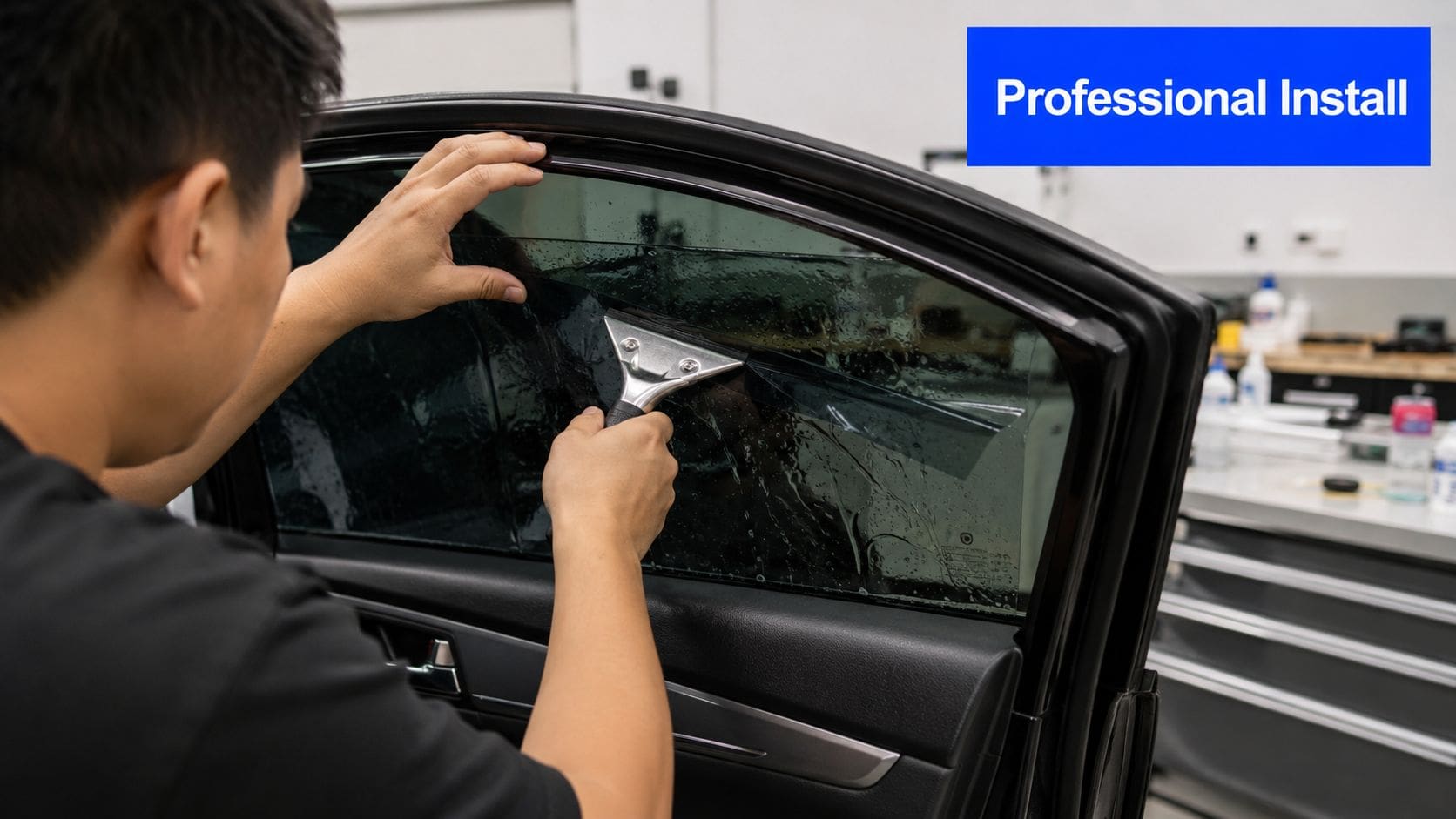
Why installation quality changes everything
At Lionheart Auto Detailing & Protection, this is the part I'd tell any first-time customer not to cheap out on. Material matters, but installation quality decides whether the job still looks good months and years later.
A professional setup usually means cleaner prep, better cutting, better shrinking, more consistent edges, and a film choice that fits the vehicle instead of forcing a one-size-fits-all look. That's especially important on newer vehicles with more complex glass shapes, tight trim, and large roof panels.
A clean install should look understated. You shouldn't notice flaws. You should notice that the whole vehicle looks better.
For drivers in Hilliard and surrounding Columbus suburbs, a properly installed tint also complements other visual upgrades well, including chrome delete, paint correction, ceramic coating, and PPF.
What to expect after installation
Good aftercare is simple, but it matters.
Keep these points in mind:
- Expect a short curing period: Some light haziness or moisture patterning can be normal at first.
- Don't operate the windows too early: Give the film time to settle and bond.
- Use gentle cleaning tools: Soft microfiber towels are the safe choice.
- Ask about timeline upfront: Knowing how long the appointment and cure period take makes planning easier.
If you want a better idea of scheduling, Lionheart has a straightforward page on how long window tinting takes.
Top 8 Advantages of Window Tinting
| Benefit | 🔄 Implementation Complexity | ⚡ Resources Required | ⭐ Expected Effectiveness | 📊 Expected Outcomes | 💡 Ideal Use Cases / Tips |
|---|---|---|---|---|---|
| Superior Heat Rejection and Interior Temperature Control | Medium, professional installation recommended | Quality ceramic/hybrid film; installer; $200–$500 | ⭐⭐⭐⭐ | Lowers cabin temp ~10–15°F; AC workload ↓ 3–5% | Commuters in hot climates; choose ceramic/hybrid; avoid rolling windows 3–5 days |
| Enhanced UV Protection and Prevention of Interior Fade | Medium, full coverage recommended | Ceramic/hybrid film; side/rear coverage; pro install | ⭐⭐⭐⭐⭐ | Blocks 99–99.9% UV; preserves upholstery; reduces long-term refurbishment costs | Luxury owners; combine with interior ceramic coatings; tint all side/rear windows |
| Increased Privacy and Reduced Interior Visibility | Low–Medium, legal compliance required | Darker non-reflective films; pro cutting; permit-awareness | ⭐⭐⭐⭐ | Reduces outside visibility; deters opportunistic theft; improves privacy | Parents, luxury owners, valuables; consult local tint laws; prefer non-reflective ceramic |
| Glare Reduction and Improved Driving Comfort | Low–Medium, choose neutral tones | Neutral gray/brown ceramic film; anti-reflective options | ⭐⭐⭐⭐ | Reduces glare 45–60%; less eye strain; improved reaction times | Daily commuters, snowy areas; test in varied light; favor neutral tints |
| Enhanced Safety via Shattered Glass Containment | Medium, standard tint helps containment | Adhesive film (1.5–2.5 mil); pro application | ⭐⭐⭐ | Holds glass fragments; delays forced entry (not a substitute for security film) | Family vehicles, passenger transport; consider dedicated security film for high risk |
| Long-Term Cost Savings (HVAC, Maintenance, Resale) | Low–Medium, upfront investment | Upfront cost $200–$500; premium film gives longer ROI | ⭐⭐⭐⭐ | Fuel savings $100–$300/yr (high AC use); extends interior life; ROI ~3–5 yrs | Fleets and high-mileage vehicles; track fuel/maintenance to quantify ROI; choose ceramic |
| Preservation of Aesthetics and Paint | Low, best when paired with other services | Pair with ceramic coating and PPF for full protection | ⭐⭐⭐ | Slows paint oxidation; extends clear coat life 2–3 yrs; reduces paint correction needs | Dark-colored vehicles or outdoor-parked cars; combine tint + ceramic + PPF |
| Seamless Professional Installation & Aesthetic Enhancement | High, precision install required | Professional tools, custom cutting, 1–3 hr install; warranty | ⭐⭐⭐⭐⭐ | Flawless appearance; no bubbles/peeling; long-term durability (10+ yrs) | Owners prioritizing appearance and longevity; choose certified pro installers and request warranty |
Ready to Upgrade Your Ride?
Window tinting is one of the few upgrades that improves comfort, appearance, and protection at the same time. For Ohio drivers, that matters because our vehicles deal with hot summer sun, bright glare, open parking lots, and long stretches of daily use. A good tint job can make the cabin feel calmer, look better, and hold up better.
It's also worth being honest about what tint can't do. It won't keep a car ice-cold after sitting all day in full sun. It won't replace smart parking, regular maintenance, or a full paint protection strategy. And it won't fix poor installation if the film was applied badly in the first place. That kind of transparency matters, especially if you're new to professional detailing and trying to choose the right first service.
From a detailer's perspective, tint often works best when it's part of a broader plan. If your goal is a vehicle that stays easier to own and nicer to live with, tint pairs naturally with interior detailing, paint correction, ceramic coating, and paint protection film. The right combination depends on how you drive, where you park, and how long you plan to keep the vehicle.
For example, a newer commuter car might need tint and basic interior protection first. A luxury SUV in daily use might benefit from tint, Columbus ceramic coating, and front-end Columbus PPF. A dark-colored truck parked outside year-round might be a strong candidate for Hilliard auto detailing, Hilliard ceramic coating, and window tint all at once. There isn't one perfect package for everyone, and that's exactly why a real consultation helps.
Lionheart Detailing serves the Columbus metro from a Hilliard shop and through a mobile service setup, which is useful for owners who want practical protection without guessing their way through online advice. If you've been searching for ceramic coating near me, or comparing Hilliard paint protection film and tint options, this is a good time to build a plan that fits your actual vehicle and daily routine.
Professional window tinting doesn't need to be complicated. It just needs to be done well, with the right film, the right legal guidance, and realistic expectations. When that happens, the results are easy to appreciate every single day you drive.
If you want help choosing the right window tint, ceramic coating, paint protection film, or detailing package for your vehicle, reach out to Lionheart Detailing. They serve Columbus-area drivers from their Hilliard shop and mobile unit, and they can walk you through practical options based on how you use your car.